Lung Cancer CT Scan: A Comprehensive Guide to Understanding, Diagnosing, and Treating Lung Cancer
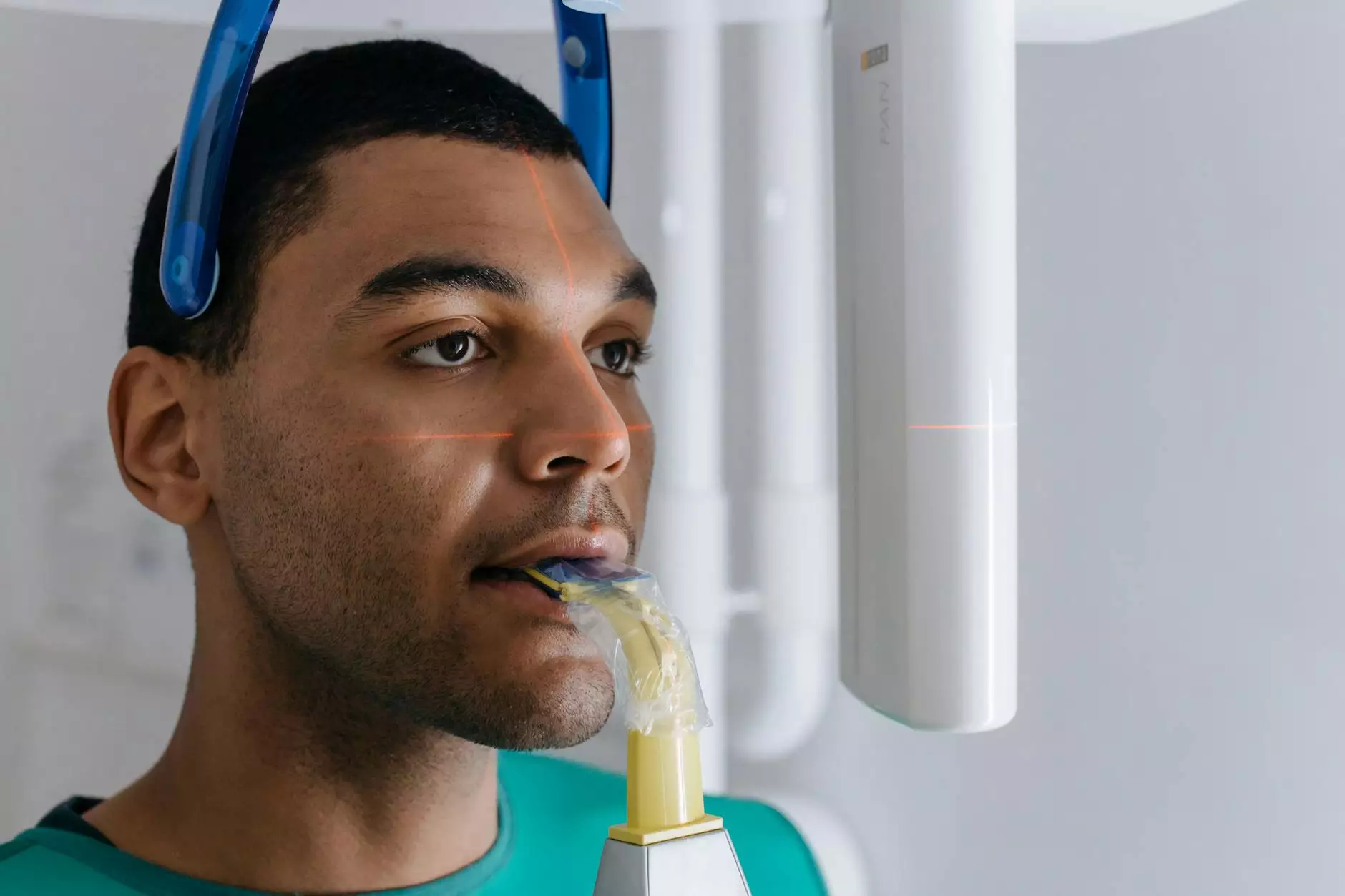
Lung cancer is one of the leading causes of cancer-related deaths worldwide. Early detection plays a crucial role in improving survival rates, and one of the most effective tools for early diagnosis is the lung cancer CT scan. In this article, we will explore the significance of CT scans in diagnosing lung cancer, what to expect during the scan, advancements in technology, and treatment options available for patients diagnosed with lung cancer.
Understanding Lung Cancer
Lung cancer mainly occurs when cells in the lung grow uncontrollably. There are two primary types of lung cancer:
- Non-small cell lung cancer (NSCLC): This is the most common type, accounting for about 85% of lung cancer cases. NSCLC includes subtypes such as adenocarcinoma, squamous cell carcinoma, and large cell carcinoma.
- Small cell lung cancer (SCLC): This type is less common but is known for its aggressive nature and fast spread.
Why is Early Detection Important?
Early-stage lung cancer may not present noticeable symptoms, making it imperative to employ effective screening methods such as a lung cancer CT scan. The benefits of early detection include:
- Higher survival rates: Early-stage lung cancer has a significantly better prognosis.
- Less aggressive treatment: Early detection often translates into a wider range of treatment options.
- Increased awareness: Understanding the risk factors can help in proactive screening.
What is a Lung Cancer CT Scan?
A lung cancer CT scan (computed tomography scan) is a detailed imaging procedure that utilizes X-rays to create cross-sectional images of the lungs. It is particularly effective in detecting lung nodules and other abnormalities. The CT scan provides a more comprehensive view compared to standard X-rays, allowing for early identification of potential tumors.
How is a Lung Cancer CT Scan Performed?
The process of undergoing a CT scan is straightforward and typically involves the following steps:
- Preparation: Before the scan, patients may be instructed to avoid eating or drinking for a certain period, depending on whether a contrast dye will be used.
- Positioning: Patients lie on a motorized examination table that slides into the CT machine.
- Imaging: The scan will take several minutes. Patients will be asked to hold their breath briefly to avoid movement during imaging.
- Post-Scan: There’s typically no downtime after the scan. Patients may resume normal activities unless instructed otherwise.
What Does a Lung Cancer CT Scan Show?
A lung cancer CT scan can reveal various important details about the lungs, including:
- The presence of tumors or nodules
- Size, shape, and location of any detected anomalies
- Involvement of nearby lymph nodes
- Extent of disease if present, which is crucial for staging
Radiologists will analyze these findings to determine the likelihood of cancer and guide further diagnostic steps if needed.
Advancements in Lung Cancer Imaging
The field of radiology and lung cancer imaging is rapidly evolving. Some recent advancements include:
- Low-dose CT scans: These use lower amounts of radiation while maintaining the quality of the images, significantly reducing the risk associated with imaging.
- 3D imaging techniques: Advanced software allows for reconstruction of 3D images from CT scans, making it easier for doctors to visualize and plan treatments.
- Contrast enhancement technology: This technique improves the differentiation between normal and abnormal lung tissues, aiding in more accurate diagnosis.
Risk Factors for Lung Cancer
Understanding the risk factors associated with lung cancer can significantly aid in early detection and prevention:
- Smoking: The leading cause of lung cancer, accounting for approximately 85% of cases.
- Secondhand smoke: Non-smokers exposed to secondhand smoke are also at risk.
- Environmental toxins: Exposure to substances like asbestos, radon, and other carcinogens can increase risk.
- Genetics: A family history of lung cancer can predispose individuals to developing the disease.
The Role of Hello Physio in Lung Cancer Screening and Management
At Hello Physio, we understand the critical role of lung cancer CT scans in the early detection and management of lung cancer. Our team of healthcare professionals emphasizes:
- Providing comprehensive screening services for high-risk patients.
- Educating patients about symptoms and risk factors associated with lung cancer.
- Collaborating with oncologists to create tailored treatment and rehabilitation plans for lung cancer patients.
Treatment Options for Lung Cancer
Upon diagnosis, treatment options for lung cancer vary significantly based on the type, stage, and overall health of the patient. Common treatment modalities include:
- Surgery: Removal of tumor or affected lung tissue.
- Radiation Therapy: Utilizing high-energy particles or waves to destroy cancer cells.
- Chemotherapy: Systemic treatment using drugs to kill cancer cells.
- Targeted Therapy: Medications that attack specific pathways or proteins in cancer cells.
- Immunotherapy: Treatments that help the immune system recognize and fight cancer cells.
Conclusion
In summary, the lung cancer CT scan is an indispensable tool in the fight against lung cancer. Early detection through CT scans greatly enhances treatment success rates and patient survival. At Hello Physio, we are committed to providing comprehensive cancer screening and treatment options tailored to each patient's needs. We aim to support patients and their families through knowledge, advanced medical imaging, and a robust healthcare support system.
By prioritizing awareness, advanced medical technologies, and a holistic approach to patient care, we can work together to combat lung cancer effectively. If you or someone you know is at risk, consider scheduling a consultation with our specialists today.