The Rising Influence of Games Development Studios
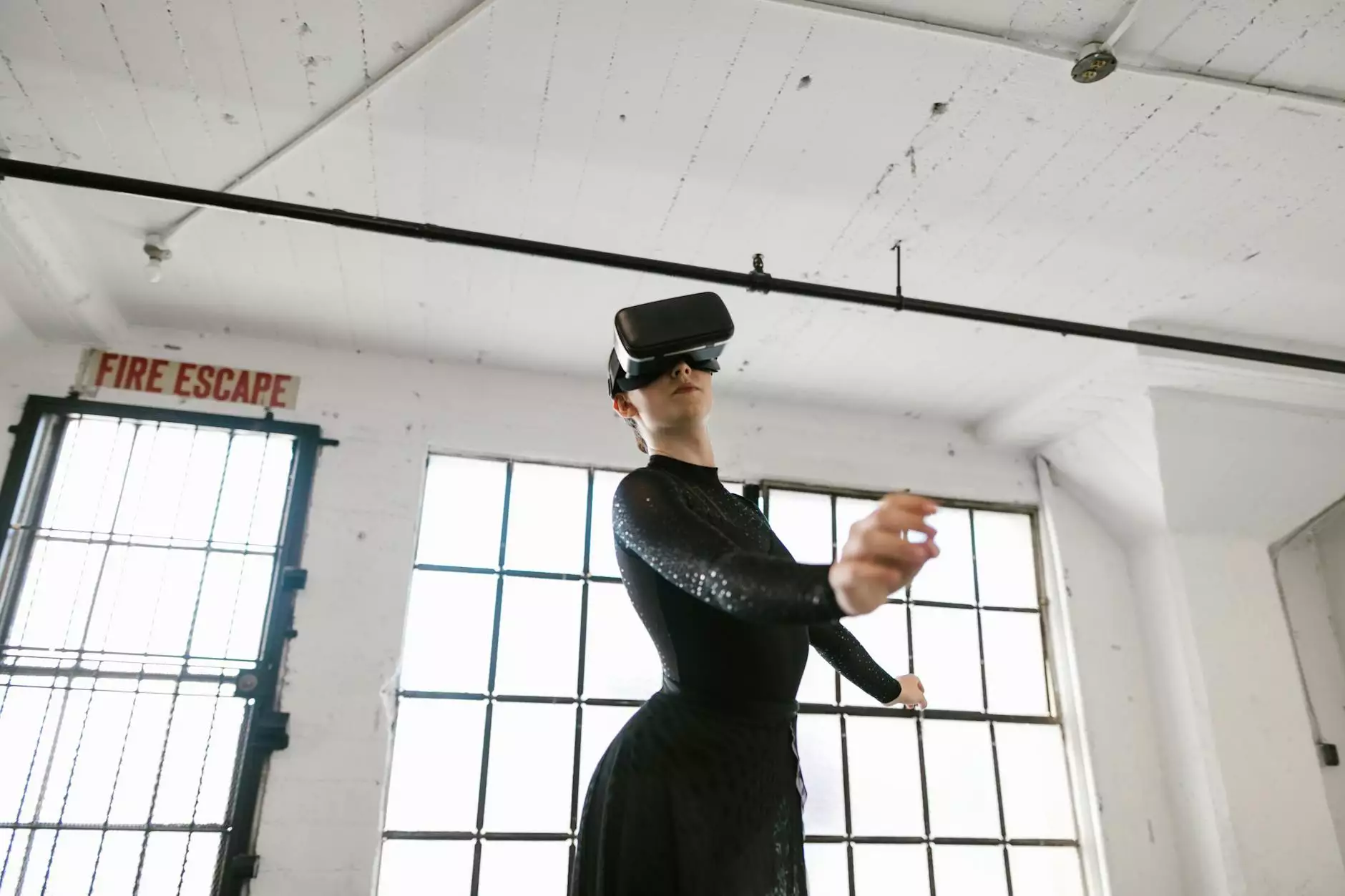
In today’s digital age, the games development studio has become a cornerstone of the entertainment industry. These studios are not merely creators of entertaining content; they are versatile hubs that embrace creativity, technical know-how, and artistic expression. In this article, we will delve into the profound impact that games development studios have on various sectors, including art galleries, graphic design, and 3D printing. We will examine how these studios catalyze innovation in these fields and contribute to the ever-expanding universe of interactive media.
Understanding the Role of Games Development Studios
At their core, games development studios are responsible for the design, creation, and distribution of video games. This process involves a multitude of stages, including:
- Concept Development: This stage includes brainstorming and outlining the game’s premise, themes, and gameplay mechanics.
- Design and Art Development: Here, artists create the visual elements, including character designs, environments, and interfaces.
- Programming: Coders write the underlying code that brings game mechanics to life, enabling interactions and functionalities.
- Testing: Quality assurance teams assess the game for bugs, gameplay balance, and overall enjoyment.
- Launch and Marketing: Finally, studios prepare for release and market their games to potential players.
The Convergence of Art and Gaming
The intersection between art galleries and games development studios is a unique space where digital art can truly shine. Many studios collaborate with artists to incorporate innovative designs that elevate gameplay and storytelling.
Some notable trends include:
- Art Exhibitions: Several studios host exhibitions showcasing the artistry behind their games. These exhibitions allow fans to appreciate concept art and explore immersive environments directly connected to their favorite games.
- Virtual Art Galleries: The rise of VR technology has led to the creation of virtual galleries where users can experience artworks in interactive spaces, merging gaming and fine art.
Graphic Design in Game Development
Graphic design is fundamental in games development studios, as it directly influences player engagement and emotional response. Effective graphic design contributes to:
- User Interface (UI) and User Experience (UX): A well-designed UI ensures players can navigate the game easily, while good UX keeps them engaged and satisfied.
- Brand Identity: Creative graphic designs help in establishing a studio’s brand, making games visually distinct and instantly recognizable.
- Marketing Materials: Stunning visuals not only draw in players but also communicate the essence of the game through promotional materials such as posters, trailers, and social media graphics.
The Evolution of 3D Printing in Game Development
3D printing is revolutionizing the way games are developed and marketed. This technology allows games development studios to create physical representations of their virtual characters and environments, offering tangible products that enhance the gaming experience.
Key benefits of 3D printing for game developers include:
- Prototyping: Studios can quickly create prototypes of characters or props to test how they fit into the game's aesthetic and mechanics.
- Merchandising: By producing collectible figurines, art books, and in-game items, studios can develop new revenue streams while deepening fan engagement.
- Community Engagement: Customizable 3D-printed items empower players to take ownership of their gaming experience, fostering a sense of community and shared investment in the games they love.
Trending Innovations in Game Development Studios
As technology advances, games development studios continually adapt and innovate. Here are some of the latest trends shaping the future of gaming:
- Augmented Reality (AR): AR allows players to interact with the digital world in their real surroundings, bridging the gap between virtual and physical experiences.
- Artificial Intelligence (AI): AI is being increasingly used to create more personalized gaming experiences, from dynamic NPC behaviors to adaptive difficulty levels.
- Cloud Gaming: With cloud gaming, players can access games across multiple devices without needing expensive hardware, democratizing access to gaming.
Challenges Faced by Games Development Studios
While there are apparent benefits and a bright future for games development studios, they also face numerous challenges:
- Competition: The gaming industry is overcrowded, with thousands of new titles released every year, making it crucial for studios to find unique ways to stand out.
- Technological Changes: The rapid pace of technological advancement can lead to increased costs and the necessity for studios to continuously adapt.
- Player Expectations: With evolving gaming experiences, players have higher expectations regarding graphics, storylines, and gameplay mechanics. Meeting these expectations can be a significant pressure point.
Future Outlook for Games Development Studios
The future for games development studios is incredibly promising. As technology continues to evolve and player expectations grow, three key areas are expected to flourish:
- Diversity in Storytelling: A broader range of narratives and characters is being embraced, reflecting the diversity of the players themselves.
- Esports Growth: Competitive gaming will continue to expand, leading studios to invest more in creating games suited for the esports arena.
- Collaboration Opportunities: As boundaries blur between game development, graphic design, and art, interdisciplinary collaborations will give rise to new forms of entertainment.
Conclusion
In conclusion, games development studios are more than just creators of entertainment; they are pioneers of interactive experiences that integrate art, technology, and community. Through their collaboration with art galleries, innovation in graphic design, and the use of cutting-edge technologies like 3D printing, these studios shape the gaming landscape of today and the future. As they continue to face challenges and embrace new opportunities, the role of games development studios will only become more significant in the broader context of entertainment and digital media.
By leveraging creativity and technology, games development studios not only provide joy and entertainment to millions but also influence the fields of art and design, creating a rich, interconnected tapestry of modern culture. The future is bright for these studios, and their influence will only grow as they redefine the boundaries of storytelling and interactive entertainment.