Island Peak Height: A Definitive Guide to Exploring its Majestic Summit
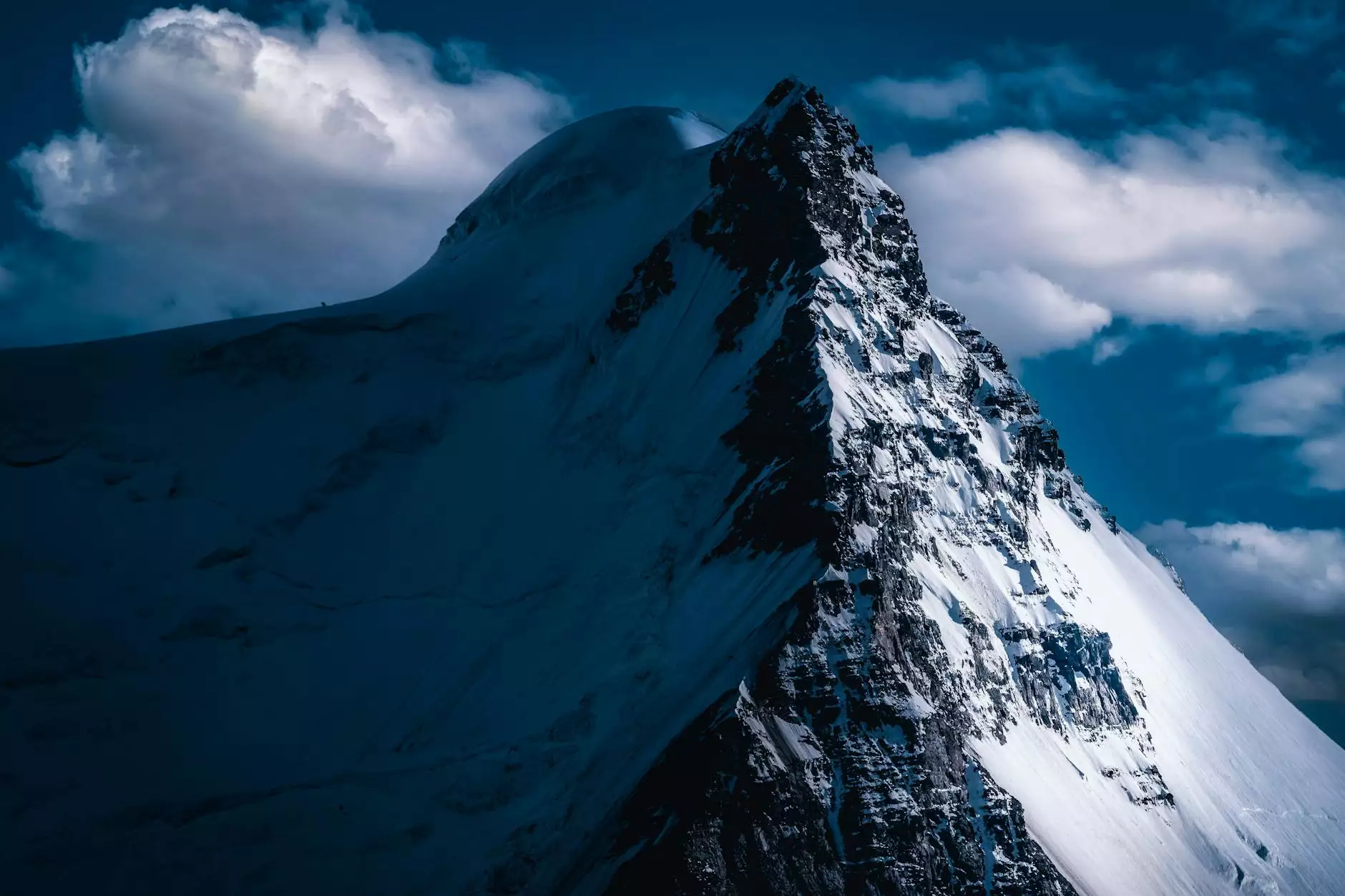
The allure of the Himalayas is undeniable, drawing countless adventurers and nature enthusiasts to explore its breathtaking vistas and towering peaks. Among these magnificent formations is Island Peak, a mesmerizing destination that captivates climbers from all over the globe. This article dives deep into the Island Peak height, its significance, the journey to reach the summit, and why it should be at the top of your trekking bucket list.
What is Island Peak?
Island Peak, also known as Imja Tse, stands proud at a height of 6,189 meters (20,305 feet) above sea level. Nestled in the heart of the Khumbu region of Nepal, this mountain presents an incredible opportunity for both seasoned climbers and novice trekkers looking to experience the thrill of summiting a Himalayan peak. Its name, "Island Peak," derives from its appearance; it resembles an island amidst the sea of ice and snow in the surrounding area.
The Geographic Significance of Island Peak Height
The Island Peak height not only offers a challenging climb but also rewards climbers with extraordinary views of the surrounding peaks, including Ama Dablam, Lhotse, and Mount Everest. As you ascend, you are greeted by the stunning glaciers and dramatic landscapes characteristic of the Himalayas. Understanding its geographic significance enhances the excitement of every climber who wishes to stand on its summit.
Location and Access
Strategically located just south of Everest, Island Peak serves as an incredible introduction to climbing in high altitudes. The journey to reach the area begins in Lukla, a small town accessible via a thrilling flight from Kathmandu. From Lukla, trekkers embark on an exhilarating trek through the vibrant villages of the Khumbu region, taking in the rich Sherpa culture along the way.
Importance of Island Peak for Trekkers
For many, Island Peak acts as a perfect stepping stone for those looking to attempt higher peaks, such as Everest itself. It provides a unique opportunity to acclimatize to high altitudes while tackling technical climbing sections that enable adventurers to hone their skills. Here are some key aspects that underline its importance:
- Acclimatization: Climbers can adapt to the altitude, preparing them for future high-altitude climbs.
- Technical Experience: The ascent involves using climbing gear, including crampons and ice axes, giving ample experience in snow and ice climbing.
- Stunning Views: The panoramic vistas from the summit are awe-inspiring and provide photographic memories that last a lifetime.
Preparing for the Climb: Essential Considerations
Before setting off to conquer the Island Peak height, thorough preparation is crucial. From physical training to understanding the necessary gear, every detail matters. Here are some essential considerations for climbers:
Physical Conditioning
Building the right physical conditioning is vital before attempting any high-altitude trek. A well-rounded training program should focus on:
- Cardiovascular Endurance: Engage in running, cycling, or swimming to build stamina.
- Strength Training: Focus on building core and leg strength through exercises like squats and lunges.
- Hiking Practice: Plan several hikes with elevation gains to simulate the trek you will experience in the Himalayas.
Equipment Checklist
Gathering the right gear is essential for a safe and successful climb. Here is a basic equipment checklist:
- Climbing Gear: Crampons, ice axes, harness, and helmets.
- Clothing: Layered clothing, waterproof jackets, thermal gloves, and warm hats.
- Camping Equipment: Tent, sleeping bags rated for extreme temperatures, and cooking gear.
- Safety Gear: First aid kit, oxygen bottles, and navigational tools.
The Journey to the Summit: Trekking Itinerary
The typical itinerary for summiting Island Peak involves several days of trekking and acclimatization. Below is an outline of a standard trek itinerary:
Day 1: Arrival in Lukla
The adventure begins with a scenic flight to Lukla. Upon arrival, climbers meet their guides and porters, setting the stage for the journey ahead. A short trek to Phakding is typically arranged, allowing for a gentle start to the adventure.
Day 2: Trekking to Namche Bazaar
On the second day, trekkers make their way to Namche Bazaar, the gateway to the Khumbu region. This vibrant village is a perfect place to acclimatize, with various amenities to prepare for the upcoming climb.
Day 3: Acclimatization Day in Namche
This day focuses on acclimatization. Trekkers are encouraged to hike to Everest View Hotel, which offers breathtaking views of the magnificent peaks. The culture of the Sherpa people is highlighted during this restful day.
Day 4: Trekking to Dingboche
The next leg leads to Dingboche, a scenic hike that allows climbers to adjust to higher altitudes. The path is marked by stunning landscapes and views of formidable peaks.
Day 5: Acclimatization Day in Dingboche
Another acclimatization day is crucial. Climbers may venture to Nangkartshang Peak for stunning views, making it a memorable experience.
Day 6: Trekking to Chhukung
After Dingboche, the trek continues to Chhukung, the last stop before Island Peak base camp, preparing climbers for the climb ahead.
Day 7: Island Peak Base Camp
Climbers set up their tents at Island Peak Base Camp and prepare for the summit attempt. Briefing about the upcoming climb helps ensure safety and clarity.
Day 8: Summit Day
Climbing day arrives! Departing from base camp early in the morning, climbers tackle the ascent to the Island Peak height. The challenging sections lead to the dramatic summit, where breathtaking views reward all efforts.
Day 9: Return to Base Camp and Trek Down
After a well-deserved celebration on the summit, climbers descend back to base camp and continue trekking down to Chhukung.
Days 10-12: Trek Down to Lukla
The return journey to Lukla takes a few more days as trekkers relive their incredible adventure and bond over shared experiences.
Why Choose Peace Nepal Treks for Your Island Peak Adventure?
When planning your journey to conquer the Island Peak height, it is essential to choose a reputable trekking agency that prioritizes safety, expertise, and customer satisfaction. Peace Nepal Treks stands out as an exceptional choice for several reasons:
- Experienced Guides: Our team consists of seasoned guides with extensive knowledge of the Himalayan terrain and climbing techniques.
- Customized Itineraries: We provide flexible itineraries tailored to your experience level and preferences.
- Commitment to Safety: We prioritize the safety of our climbers, ensuring all necessary precautions and equipment are in place.
- Extensive Support: From the moment you arrive in Nepal, we offer comprehensive support, from airport pickup to post-trek celebrations.
Conclusion: The Magic of Island Peak Awaits
Summiting Island Peak is more than just a climb; it is a life-changing journey that challenges your limits, offers unparalleled views of the world’s highest peaks, and connects you with the rich culture of the Sherpa people. The Island Peak height symbolizes adventure, achievement, and the pursuit of dreams. By choosing Peace Nepal Treks, you are embarking on an unforgettable expedition that is sure to create memories for a lifetime. Are you ready to embrace the adventure of a lifetime?