Unlocking the World of Guns, Ammo, and Firearm Training
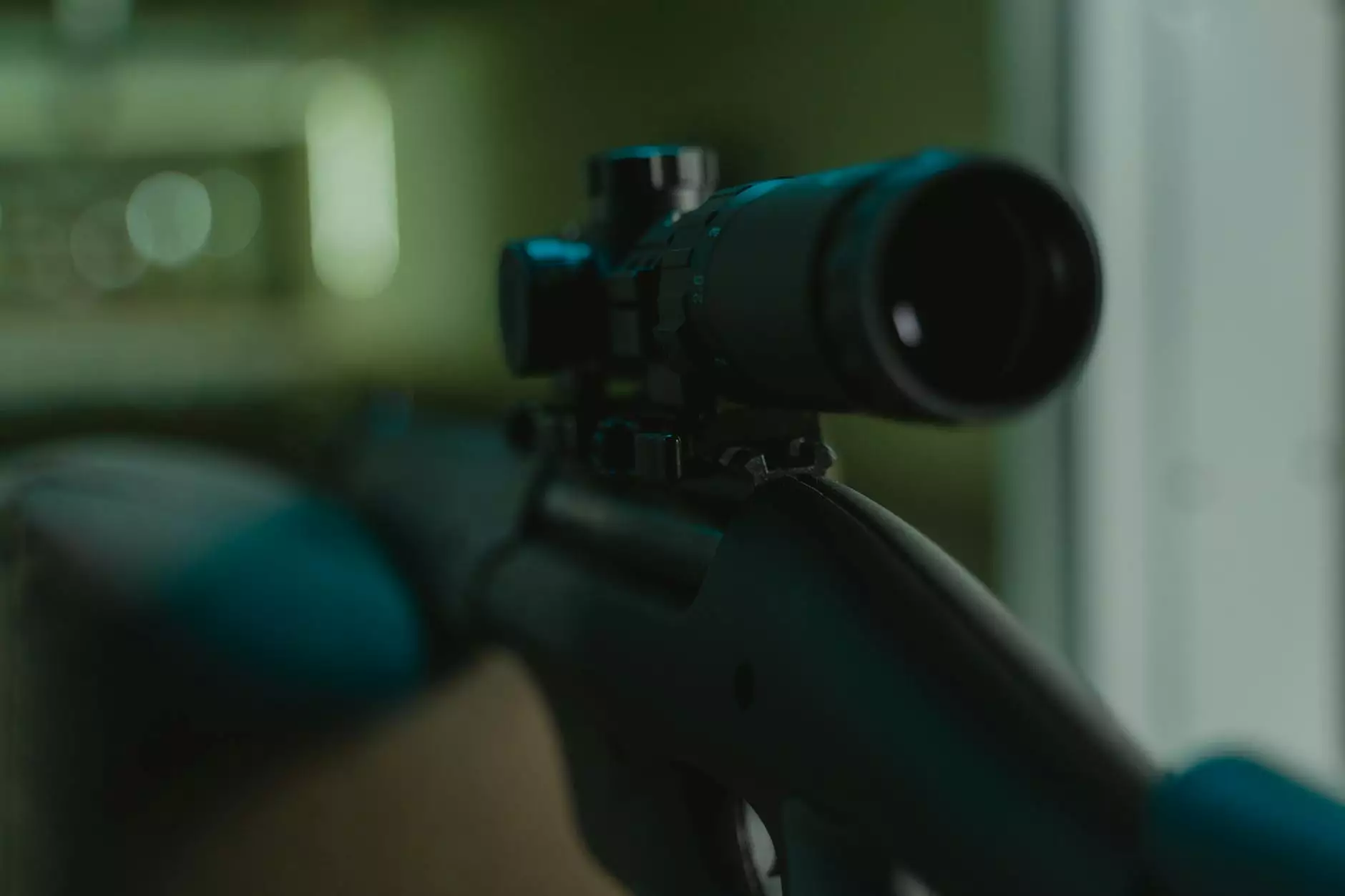
In today's nuanced landscape of personal defense, competitive shooting, and outdoor recreation, understanding firearms and their accessories is paramount. With a growing fascination with firearms across various sectors—be it self-defense enthusiasts, sport shooters, or collectors—the demand for quality information and training continues to surge. In this ultimate guide, we will delve deeper into Guns & Ammo, Gun/Rifle Ranges, and Firearm Training, providing valuable insights and resources that not only help in improving skills but also promote a culture of safety and responsibility.
Understanding the Basics: Guns & Ammo
Before diving into the extensive world of firearms, it's vital to grasp the fundamental aspects surrounding guns and ammunition. The integration of technology and craftsmanship has led to significant advancements in firearm design and functionality.
The Evolution of Firearms
Firearms have undergone spectacular transformations from basic muskets to advanced semi-automatic handguns. This evolution mirrors technological advancement and the changing needs of the society using them.
- Muskets and Black Powder: The early firearms were simple and required manual labor for loading. They were primarily used in war.
- Revolvers: The introduction of revolvers paved the way for faster shooting and multi-shot capabilities.
- Rifles: Rifles offered improved accuracy and range, evolving into various platforms for hunting and sport shooting.
- Modern Handguns: Today’s handguns, such as the renowned Sig Sauer series, blend ergonomic design with sophistication for tactical use.
Ammunition: The Lifeblood of Every Firearm
Ammunition is crucial for any firearm's operation. It comprises the cartridge, which includes the casing, primer, powder, and projectile. Understanding the types of ammunition is significant for both performance and safety.
- Centerfire vs. Rimfire: Centerfire cartridges feature a primer located in the center of the cartridge base, whereas rimfire cartridges have the primer distributed around the rim.
- Caliber: This indicates the diameter of the bullet or the inside diameter of the gun barrel. Common handguns like the 9mm and .45 ACP are popular for various applications.
- Specialty Rounds: These include hollow points for self-defense and full metal jacket rounds for practice shooting.
Exploring Gun/Rifle Ranges
Utilizing a shooting range is indispensable for honing firearm skills. Gun/rifle ranges provide a controlled environment for safe shooting practice, whether for self-defense, hunting, or competitive shooting.
The Types of Ranges
There are various types of shooting ranges, each catering to different needs:
- Indoor Ranges: These facilities allow shooting irrespective of weather conditions and usually feature soundproofing to minimize noise.
- Outdoor Ranges: Preferred for long-range shooting, these offer expansive areas to practice and enjoy the shooting experience amidst nature.
- Private Ranges: Often used by clubs or associations, these are tailored to specific groups and can offer unique challenges and camaraderie.
Benefits of Using a Shooting Range
Practicing at a shooting range presents several advantages:
- Safety: Ranges uphold strict safety protocols, making them safer than impromptu shooting in uncontrolled environments.
- Access to Equipment: Many ranges provide rental firearms and specialized ammunition, allowing newcomers to learn without a significant upfront cost.
- Instruction and Training: Most ranges offer professional instructors who can provide valuable insight, helping individuals to improve their skills and understanding of firearms.
Mastering Firearm Training
Incorporating firearm training into your routine is essential, especially for those who own guns. Undergoing proper training not only enhances shooting skills but also instills confidence and safety awareness.
The Importance of Professional Training
While self-study and practice are valuable, professional training equips shooters with essential techniques, safety protocols, and legal considerations. Here’s why seeking professional guidance is imperative:
- Structured Learning: Professional courses are designed to provide comprehensive instruction, covering everything from basic handling to advanced marksmanship techniques.
- Realistic Scenarios: Training can include simulations of high-stress environments, emphasizing the importance of mental preparedness.
- Legal Knowledge: Understanding local firearm laws is paramount, and instructors can highlight critical legal responsibilities associated with gun ownership.
Types of Firearm Training Courses
There is an extensive range of courses available catering to different skill levels and interests:
- Basic Pistol Courses: Ideal for beginners, these courses focus on fundamental firearm safety, handling, and shooting techniques.
- Defensive Pistol Training: These courses prepare shooters for self-defense situations, emphasizing speed, accuracy, and situational awareness.
- Advanced Marksmanship: Designed for experienced shooters, these classes focus on precision and refinements of shooting techniques.
- Specialized Courses: Some courses focus on specific firearm types or scenarios, such as home defense or concealed carry training.
Making Informed Choices: The Right Firearm for You
Selecting the right firearm is critical for your needs and preferences. Here are few essential tips to consider when making your selection:
- Purpose: Identify the primary reason for acquiring a firearm—self-defense, hunting, sport shooting, or collection.
- Comfort and Fit: Test different firearms to assess comfort and ease of handling. A firearm should feel like an extension of your body.
- Reputation and Reliability: Opt for established brands known for quality and performance, such as Sig Sauer, celebrated for its innovation and reliability.
Conclusion: Embracing Responsible Gun Ownership
As the interest in firearms continues to grow, becoming an informed and responsible gun owner is more crucial than ever. Engaging in proper firearm training, adhering to safety measures, and participating in activities at shooting ranges can significantly enhance your experience while ensuring the safety of yourself and others.
By immersing yourself in the various aspects of firearms—from the fundamental components of guns and ammunition to the critical importance of training—you can cultivate a responsible approach to gun ownership. Always prioritize safety and continuous learning in your journey as a firearm enthusiast.
For a closer look at one of the most respected brands in the industry, visit Sig Sauer at KM Tactical to explore their selection of high-quality firearms, accessories, and training resources.
https://kmtactical.net/product-category/default-category/other-platforms/sig-sauer/