Finding the Best **Heart Specialist Near Me** - A Comprehensive Guide
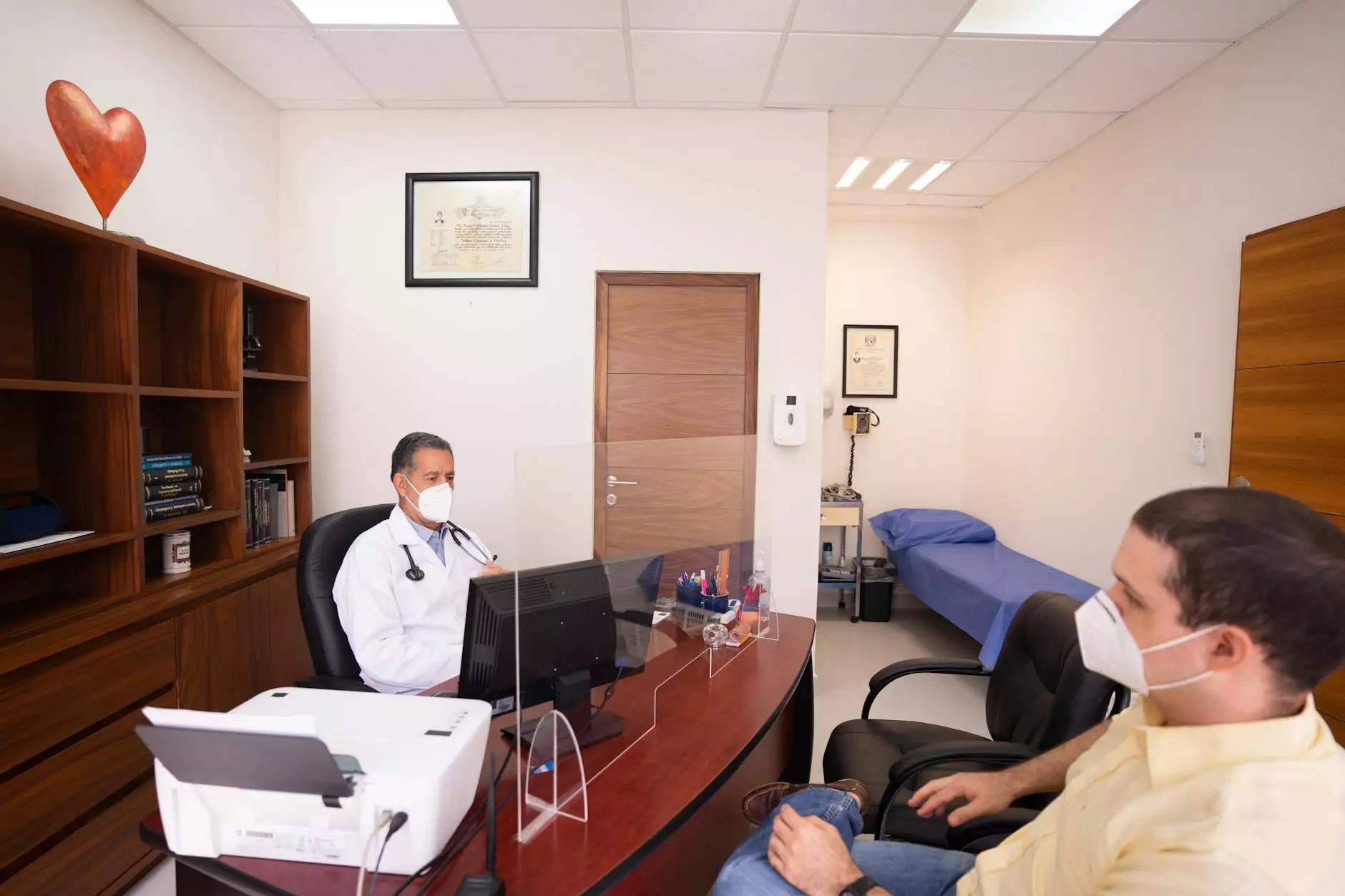
When it comes to your heart health, finding the right heart specialist can be critical. With the increasing prevalence of cardiovascular diseases, being proactive about your heart health has never been more essential. This article aims to guide you through the process of locating the best heart specialist near me, understanding their expertise, and the factors that contribute to effective cardiovascular care.
Understanding the Importance of a Heart Specialist
A heart specialist, also known as a cardiologist, focuses specifically on diagnosing and treating conditions related to the heart and blood vessels. The heart is a complex organ, and diseases related to it can be serious, often requiring specialized care. Here are a few reasons why seeing a heart specialist is crucial:
- Expertise: Cardiologists undergo extensive training focused on heart health, allowing them to provide tailored treatments.
- Access to Advanced Technology: Heart specialists often work in medical centers that offer cutting-edge diagnostic tools and treatment options.
- Personalized Care: A cardiologist can create a personal health plan that addresses your unique risk factors and conditions.
- Prevention Focus: Many heart specialists emphasize preventive measures, helping you avoid severe heart issues before they develop.
What Conditions Do Heart Specialists Treat?
Heart specialists handle a wide range of conditions, including but not limited to:
- Coronary Artery Disease: A common condition that can lead to heart attacks.
- Heart Failure: A chronic condition where the heart doesn't pump blood as effectively as it should.
- Arrhythmias: Irregular heartbeats that can lead to other complications.
- Heart Valve Diseases: Conditions affecting the valves that control blood flow within the heart.
- Congenital Heart Defects: Heart problems present at birth.
How to Search for a Heart Specialist Near You
Finding the nearest heart specialist involves several steps, and with the right approach, you can ensure that you’re receiving the best care possible. Here’s how to navigate your search effectively:
1. Start with Referrals
Your primary care physician is a great starting point. They can provide you with referrals to reputable heart specialists in your area. Consider asking questions like:
- Who do they trust for heart-related issues?
- What experiences have they had with these specialists?
2. Utilize Online Resources
The internet is a valuable tool for finding a heart specialist near me. Websites such as:
- Healthgrades
- Zocdoc
- Vitals
These platforms allow you to search for specialists based on location, read patient reviews, and compare doctors’ qualifications.
3. Check with Medical Centers and Hospitals
Many hospitals and medical centers have cardiology departments with specialists. Visit their websites or contact them directly to learn about their cardiology services. Some notable institutions may include:
- Johns Hopkins Hospital
- Mayo Clinic
- Cleveland Clinic
4. Assess Credentials and Experience
When choosing a heart specialist, verify their certifications, education, and years of experience. Most cardiologists are board-certified, which indicates they have passed rigorous exams in their specialty.
5. Schedule an Appointment for Consultation
Once you’ve shortlisted your options, schedule consultations. This visit is an opportunity to:
- Discuss your medical history
- Ask about their approach to treatment
- Gauge your comfort with the specialist
What to Expect During Your Visit with a Heart Specialist
Your first appointment with a heart specialist can be an important step toward better heart health. Here’s what you can typically expect:
Medical History Assessment
Be prepared to discuss your complete medical history, including:
- Current symptoms or concerns
- Family history of heart diseases
- Personal habits such as diet, exercise, and smoking
Diagnostic Tests
Your cardiologist may recommend diagnostic tests such as:
- Echocardiogram: An ultrasound test that evaluates the heart’s structure and function.
- Electrocardiogram (ECG): Measures the electrical activity of the heart.
- Stress Test: Assess heart function during physical exertion.
Creating a Management Plan
Based on your assessment, the heart specialist will work with you to develop a treatment plan that aligns with your health goals. This plan may include medication, lifestyle changes, and possibly referrals for further specialized care.