Understanding Salpingo Oophorectomy: A Comprehensive Guide
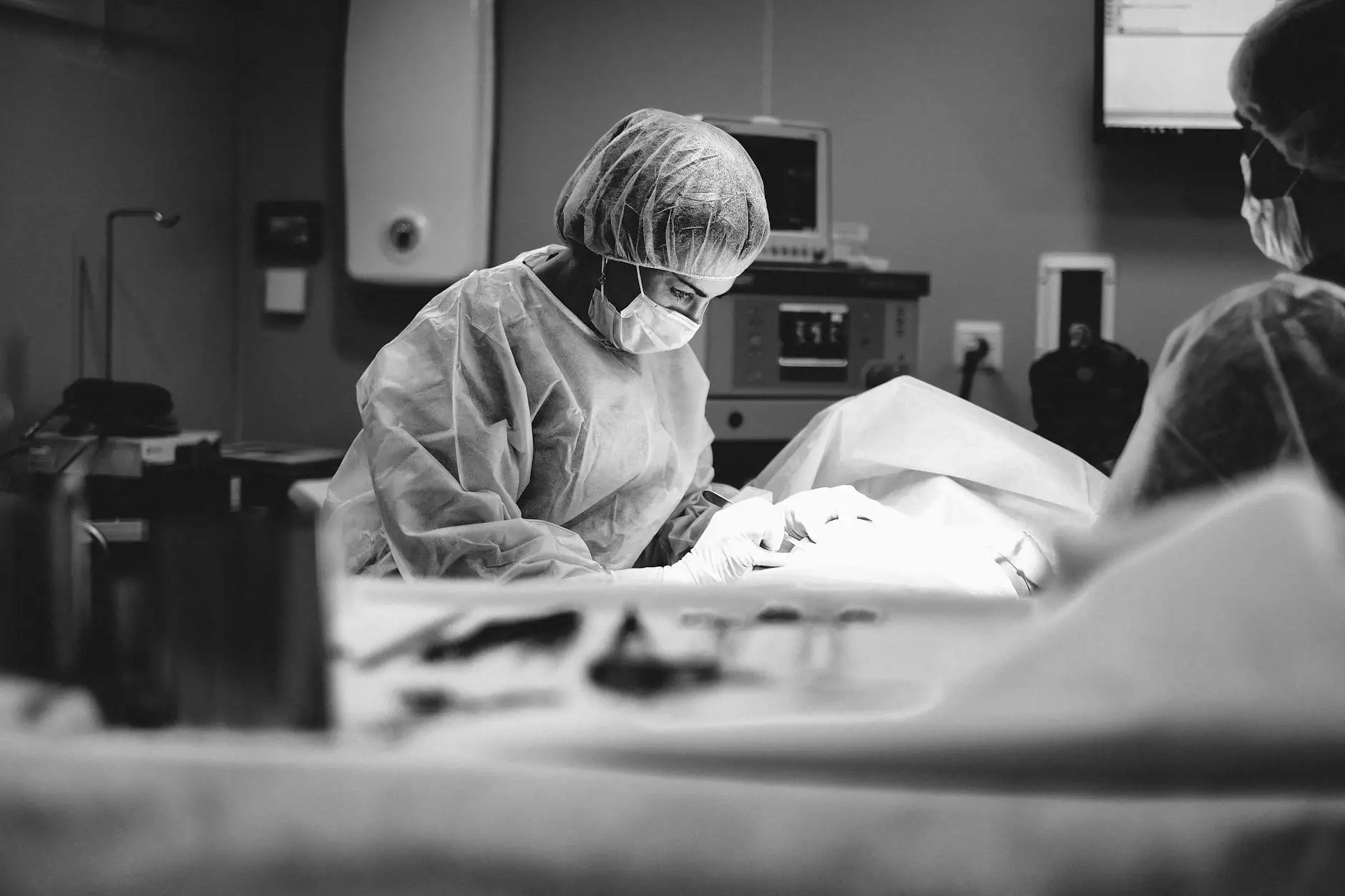
Salpingo oophorectomy is a significant surgical procedure involving the removal of the ovaries and the fallopian tubes. This operation is crucial in managing various conditions affecting women's health, including ovarian cysts, cancer, and other gynecological issues. In the following sections, we will delve deep into this procedure, its implications, and what patients can expect.
What is Salpingo Oophorectomy?
Salpingo oophorectomy can be defined as the surgical removal of one (unilateral) or both (bilateral) ovaries and the corresponding fallopian tubes. This procedure is performed by gynecologists in various clinical settings, often in response to serious medical conditions.
Reasons for Salpingo Oophorectomy
There are several medical reasons why a doctor might recommend a salpingo oophorectomy. Here are a few of the most common:
- Ovarian cancer: If cancerous cells are found in the ovaries or fallopian tubes, removal is often necessary to prevent the spread of the disease.
- Benign ovarian tumors: Large cysts or tumors on the ovaries can lead to pain and complications, often warranting their removal.
- Endometriosis: In some cases, if endometriosis severely affects the ovaries or fallopian tubes, a salpingo oophorectomy may be advised.
- Ruptured ovarian cysts: When ovarian cysts rupture, they can cause severe pain and internal bleeding, making surgery a necessary option.
- Preventive measure: Women with a family history of ovarian cancer may consider this procedure as a preventive measure.
The Salpingo Oophorectomy Procedure
Understanding the procedure itself is paramount for anyone facing surgery. Here’s a detailed breakdown:
Preparation for Surgery
Before undergoing a salpingo oophorectomy, patients usually have a thorough pre-surgical consultation. This includes:
- Medical history review: The doctor will assess your overall health and any medications you are taking.
- Imaging tests: Ultrasounds or CT scans may be conducted to visualize the ovaries and surrounding structures.
- Labs: Blood tests are typically performed to evaluate your health status and ensure safe anesthesia administration.
During the Surgery
The surgical procedure itself can be performed in two primary ways:
- Open surgery: This traditional approach involves a larger incision in the abdomen. It is generally recommended for more complex cases.
- Laparoscopic surgery: This less invasive method uses small incisions and specialized instruments. It often results in quicker recovery times and minimal scarring.
Regardless of the method used, the surgeon will carefully detach and remove the ovaries and fallopian tubes while ensuring that surrounding organs remain unharmed.
Recovery After Salpingo Oophorectomy
Post-operative recovery plays a crucial role in the healing process. Here’s what to expect:
Hospital Stay
The length of hospital stay after a salpingo oophorectomy varies. Patients typically stay in the hospital for:
- 24–48 hours: For laparoscopic procedures, patients often go home within a day.
- 3–5 days: For open surgery, recovery time in the hospital may be longer.
At Home Recovery
Once home, it's important to follow the surgeon's guidelines for a safe recovery:
- Avoid heavy lifting and strenuous activities for at least six weeks.
- Monitor for signs of infection, such as fever or excessive swelling.
- Attend follow-up appointments to ensure proper healing.
Emotional support and counseling may also be required as some women experience changes in hormone levels, affecting mood and well-being.
Potential Risks and Complications
As with any surgical procedure, salpingo oophorectomy carries potential risks, including:
- Infection: Surgical site infections can occur, requiring treatment.
- Bleeding: Excessive bleeding during or after surgery may necessitate a blood transfusion.
- Damage to nearby organs: Rarely, adjacent organs may be inadvertently injured during the procedure.
- Anaesthesia risks: As with any procedure requiring anaesthesia, there are potential risks involved.
It's essential to discuss these risks with your healthcare provider to ensure you are well-informed and prepared.
Long-term Effects of Salpingo Oophorectomy
Understanding the long-term impact of a salpingo oophorectomy is equally important, particularly concerning hormonal changes:
- Hormonal imbalances: Removal of ovaries results in sudden estrogen and progesterone level changes, potentially leading to menopause symptoms.
- Bone health: Estrogen is vital for bone health; thus, women should monitor bone density post-surgery.
- Cardiovascular health: Hormonal changes may affect heart health, necessitating regular check-ups and a healthy lifestyle.
Discussing these potential consequences with a healthcare provider can help in managing them effectively.
Expert Insights from Dr. Seckin
With a focus on women’s health, Dr. Seckin specializes in gynecological surgeries, including salpingo oophorectomy. His expertise can help guide patients through:
- Consultation: Understanding the necessity and implications of surgery.
- Customized care: Tailoring the surgical approach and recovery plan to individual needs.
- Support: Providing emotional and psychological support before and after the surgery.
For personalized consultation, visit drseckin.com to learn more about your options.
Conclusion
Salpingo oophorectomy is a critical surgical procedure for women facing severe gynecological issues. Understanding the reasons for the surgery, the procedure itself, recovery expectations, and potential long-term effects is essential for informed decision-making. Always consult with your healthcare provider to ensure that you receive the best care tailored to your specific condition.