The Future of Construction: Embracing Prefabricated Building Solutions
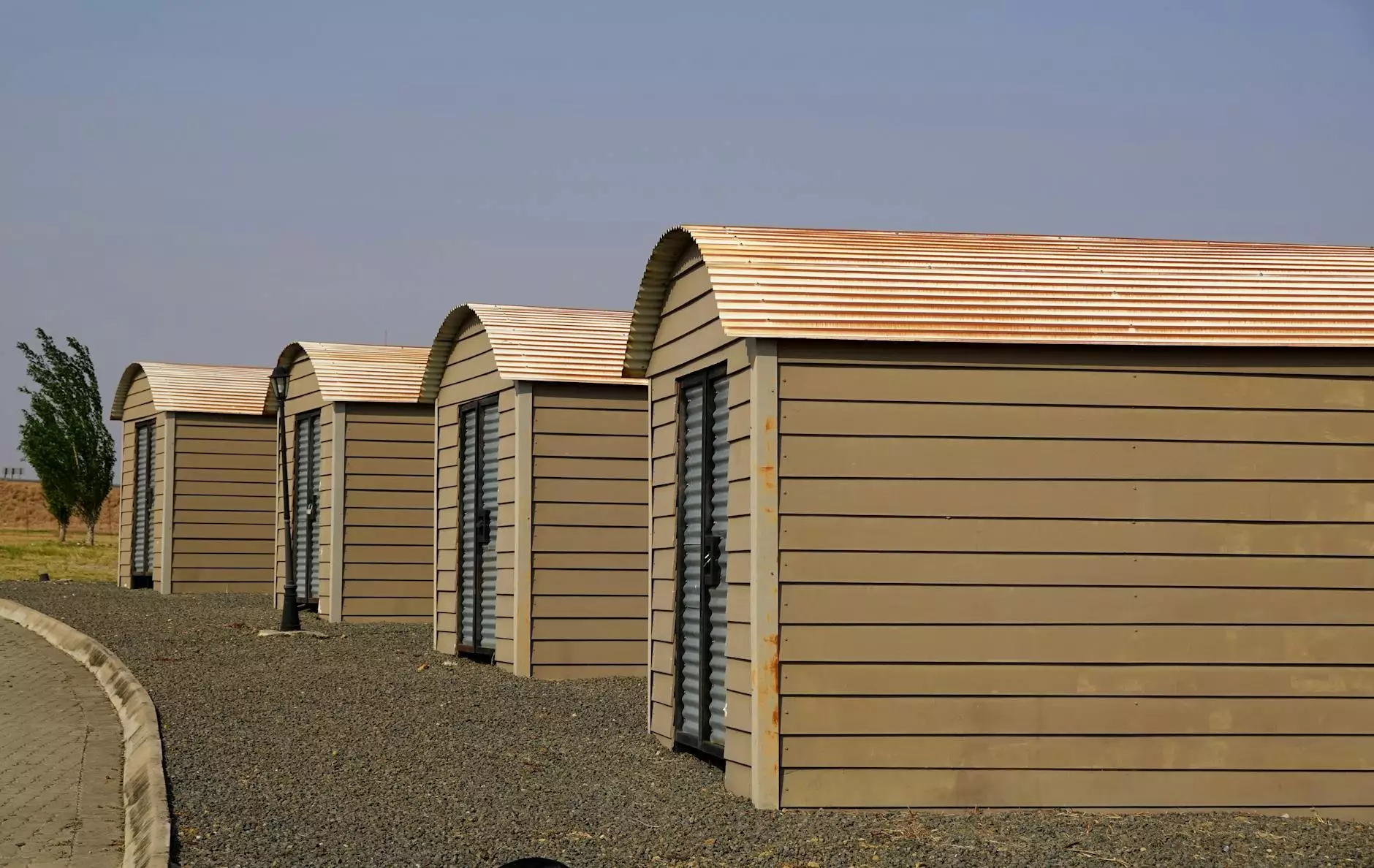
In recent years, prefabricated buildings have emerged as a groundbreaking alternative to traditional construction methods. The versatility, efficiency, and sustainability of these structures have made them increasingly popular among contractors and builders. This article delves into the numerous benefits of prefabricated buildings and how they are shaping the future of the construction industry, specifically focusing on the offerings at Module-T.
Understanding Prefabricated Buildings
Prefabricated buildings are constructed off-site, typically in a factory setting, before being transported to the final site for assembly. This method of construction offers numerous advantages, setting it apart from conventional construction techniques. The key components of prefabricated buildings include:
- Modular Units: Sections of the building are built as modules that can be easily transported and assembled.
- Panelized Systems: Wall panels and roof structures are pre-made and can be erected with minimal on-site labor.
- Pre-engineered Structures: These buildings come with fabricated steel and other materials designed for efficiency and strength.
The Advantages of Prefabricated Buildings
The benefits of opting for prefabricated buildings are substantial, making them an attractive option for both contractors and property developers. Here are some of the most notable advantages:
1. Cost Efficiency
One of the primary reasons businesses are turning to prefabricated building solutions is the potential for significant cost savings. Since a large portion of the construction process takes place in a factory, labor costs are reduced. Additionally, materials can be purchased in bulk, leading to lower overall expenses.
2. Time Savings
Traditional construction projects can drag on for months or even years. Prefabricated buildings, on the other hand, can be completed in a fraction of the time. The simultaneous construction of building components and site preparation leads to faster project completion, allowing contractors to meet deadlines and reduce project timelines.
3. Quality Control
Building in a controlled factory environment means higher standardization and quality assurance. Each component undergoes rigorous quality checks during production, ensuring that the finished product meets strict building regulations and standards.
4. Sustainability
With an increasing emphasis on sustainability, prefabricated buildings offer environmentally friendly options. The controlled manufacturing process generates less waste, and using energy-efficient materials can lead to lower carbon footprints. Additionally, these buildings can be designed for energy efficiency, enhancing long-term sustainability.
5. Flexibility and Customization
Prefabricated buildings are not one-size-fits-all. They can be designed and customized to meet the specific needs of a project. Whether constructing a residential unit, commercial space, or an industrial facility, there are endless possibilities in terms of designs and functionalities.
Applications of Prefabricated Buildings
Prefabricated buildings have a wide range of applications across various sectors, including:
- Residential Housing: Affordable housing solutions are gaining popularity as cities seek to address housing shortages.
- Commercial Spaces: Office buildings, retail stores, and restaurants are popping up across urban landscapes thanks to prefabricated construction methods.
- Educational Facilities: Schools and universities utilize prefab structures to quickly provide adequate educational environments.
- Healthcare Buildings: Hospitals and clinics require timely constructions that can be met with prefabrication.
- Industrial Warehousing: Quick storage solutions for businesses are often achieved through prefabricated warehouses.
How Module-T is Leading the Way
Module-T stands at the forefront of the prefabricated building revolution, offering a diverse range of solutions tailored to the unique needs of contractors and clients alike. Their dedication to quality, innovation, and customer satisfaction sets them apart in the industry. Here’s how Module-T is making a difference:
1. Innovative Designs
With a focus on aesthetics as well as functionality, Module-T provides cutting-edge designs that appeal to modern sensibilities. Their team of architects and engineers work collaboratively to create spaces that are not only practical but also visually pleasing.
2. Comprehensive Building Supplies
Module-T ensures that contractors have access to high-quality building supplies necessary for constructing prefabricated structures. This includes everything from raw materials to final fixtures, providing a seamless experience from manufacturing to assembly.
3. Commitment to Sustainability
As climate concerns grow, Module-T prioritizes sustainability in their building processes. They focus on eco-friendly materials and energy-efficient designs, helping clients meet their environmental goals while still achieving remarkable outcomes.
4. Extensive Support and Services
What sets Module-T apart is their commitment to client support. Understanding that each project is unique, they offer tailored advice and services, ensuring that contractors can navigate the complexities of prefabricated building with ease.
The Future of Prefabricated Building
As the construction industry continues to evolve, there is no doubt that prefabricated building techniques will play an increasingly pivotal role. With ongoing advances in technology and materials, the scope of what’s possible with prefabricated constructions is expanding rapidly. Here are some trends that we can expect to see:
1. Technological Integration
Technology will increasingly influence prefabrication, with Building Information Modeling (BIM) and 3D printing allowing for even more precise and efficient construction processes. This integration will enhance collaboration among stakeholders and streamline advances in design and manufacturing.
2. Increased Customization
As consumer preferences become more diverse, the demand for personalized buildings will grow. Future prefabricated buildings will embrace more customization options, allowing clients to choose everything from layouts to finishes while still benefiting from the efficiency of prefabrication.
3. Expansion into New Markets
The success of prefabricated buildings is encouraging expansion into new and emerging markets. Regions that previously relied on traditional construction methods will begin to adopt prefabrication to improve efficiency and lower costs.
4. Growth in Modular Construction
As urbanization continues to rise, modular construction methods will become essential for addressing housing shortages and urban density challenges. Prefabricated buildings offer a viable solution to quickly provide necessary infrastructure and housing in growing cities around the globe.
Conclusion
In conclusion, prefabricated buildings represent a significant leap forward in construction methodology, and companies like Module-T are leading the charge. With a focus on cost, time efficiency, quality, and sustainability, prefabricated buildings are not just a trend but a fundamental change in how we approach architecture and construction.
As the market continues to embrace these innovative solutions, the future looks bright for prefabricated buildings. For contractors looking to stay competitive and meet the ever-evolving needs of clients, partnering with a leader in prefabricated solutions like Module-T will undoubtedly provide a pathway to success.
Investing in prefabricated building solutions today means building a smarter, more sustainable tomorrow. Embrace the future of construction with Module-T, where innovation meets practicality in the realm of modern building.