The Integral Role of Sound Engineers in Video Games
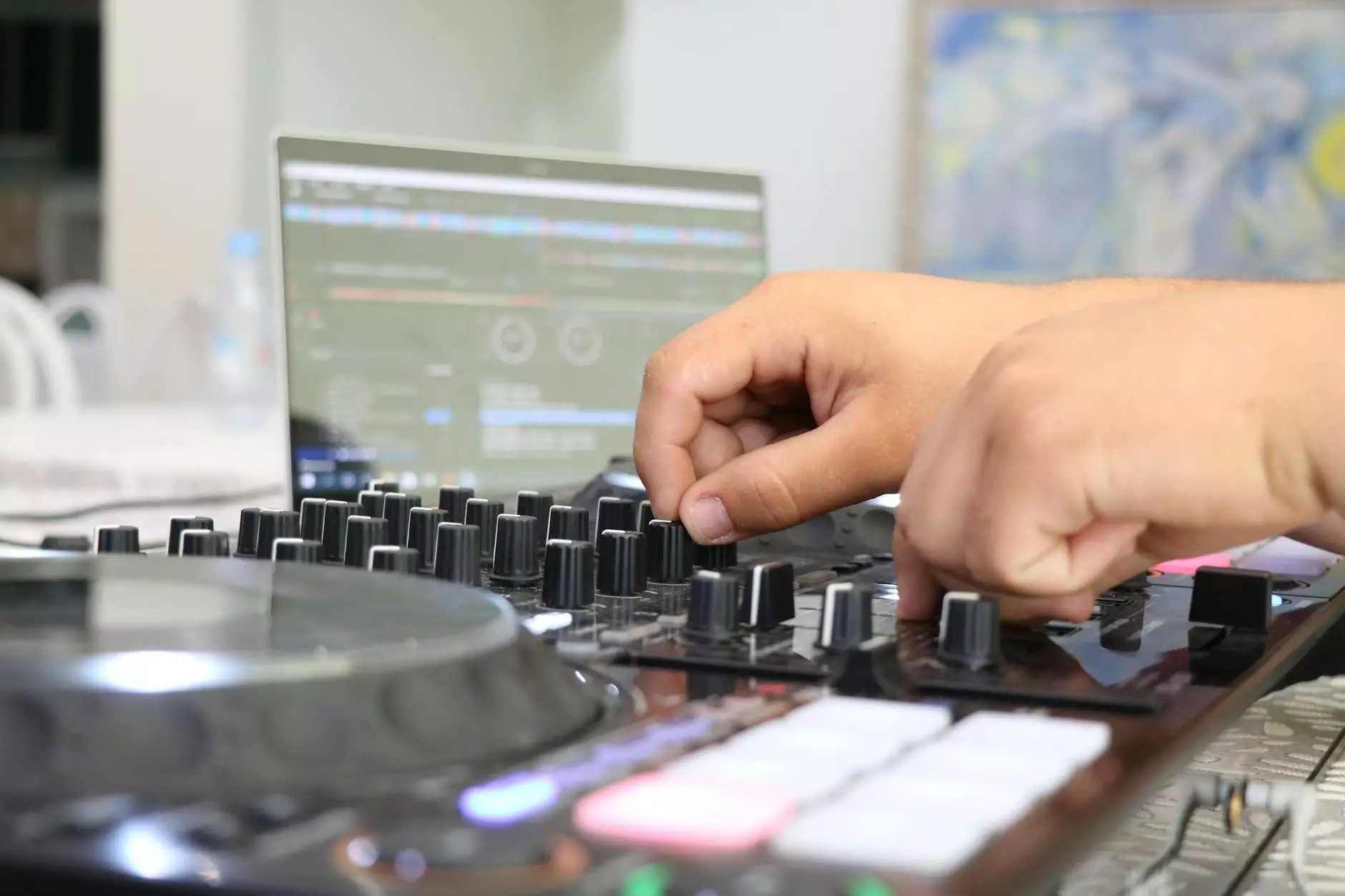
Video games have become a vital part of modern entertainment, offering immersive experiences and captivating narratives that engage players worldwide. However, behind these enchanting visuals and compelling stories lies an equally essential element: sound. The work of a sound engineer in video games is pivotal, crafting audio elements that enhance the overall gaming experience. This article delves into the multifaceted role of sound engineers, the processes they employ, and the significance of their contributions within the gaming industry.
Understanding the Role of Sound Engineers in Game Development
Sound engineers in video games are responsible for creating, editing, and implementing audio elements that resonate with players. Their role encompasses various aspects of sound production, including:
- Sound Design: Crafting unique sounds for characters, environments, and actions.
- Music Composition: Composing original scores to enhance emotional depth.
- Audio Editing: Cleaning up sound files and ensuring high-quality playback.
- Implementation: Integrating sound assets within the game engine effectively.
- Sound Balancing: Adjusting levels to ensure a harmonious audio experience.
These tasks require not only a deep understanding of audio technology but also a creative mindset to envision how sound can influence the player's journey.
The Sound Design Process
The sound design process is a complex and highly creative endeavor that involves several stages. Each stage is crucial in ensuring that the final audio experience is captivating and enhances the gameplay. Here, we outline the key phases of the sound design process in video games:
1. Pre-Production
During the pre-production phase, sound engineers collaborate with game developers to understand the game's concept, themes, and target audience. They may attend brainstorming sessions and participate in storyboarding discussions to align their audio vision with the game's narrative.
2. Field Recording
A significant aspect of sound design involves field recording. Engineers might venture into various environments to capture authentic sounds that will be used in the game. For instance, they could record the rustle of leaves, city traffic, or even human voices, depending on the game's setting.
3. Sound Creation
After gathering raw audio, the next step is to manipulate and create sounds. This could involve using digital audio workstations (DAWs) and sound libraries to manipulate audio clips, create sound effects, and generate ambient noise that fits the game's aesthetic. Engineers employ various techniques, such as:
- Sampling: Using pre-recorded sounds as building blocks for new audio.
- Synthesis: Generating sounds through electronic means.
- Foley Art: Recreating everyday sound effects to enhance realism.
4. Implementation and Integration
Once sounds are created, they must be integrated into the game engine. Sound engineers utilize middleware and game engines to map audio triggers to specific in-game events. For instance, footsteps may trigger sounds based on the terrain the character is traversing. This integration is vital for creating a responsive audio environment.
5. Testing and Iteration
The final stage involves rigorous testing to ensure the audio aligns perfectly with the gameplay experience. Sound engineers often collaborate with Quality Assurance (QA) teams to identify issues, refine audio levels, and make necessary adjustments.
The Importance of Music in Video Games
The score of a game is equally important and plays a significant role in shaping the player’s experience. A well-composed soundtrack can evoke emotions, heighten tension, and immerse players deeper into the story. Some aspects include:
- Cueing Major Events: Music can signal a climax or significant action, enhancing the player's emotional response.
- Establishing Themes: Music helps in character development and storytelling by establishing musical motifs associated with specific characters or events.
- Enhancing Atmosphere: A rich soundscape combined with a compelling score can transport players to fantastical realms, making experiences memorable and engaging.
The Impact of Technology on Sound Engineering
The evolution of technology has enormously affected how sound is engineered in video games. From basic bleeps and bloops to orchestral scores recorded by live musicians, the possibilities are endless. Modern sound engineering utilizes:
- 3D Audio Technology: Enhances the spatial experience of sound, allowing players to perceive sound from different directions in a more realistic manner.
- Adaptive Soundtracks: Music that changes based on player actions and game scenarios creates a more dynamic experience.
- Artificial Intelligence: AI can analyze gameplay and make real-time adjustments to audio, ensuring the best possible sound experience for players.
This technological advancement not only optimizes the quality of sound but also broadens the scope for creativity in audio production.
Collaboration Between Sound Engineers and Game Developers
Collaboration is key in the gaming industry. Sound engineers must work closely with various teams, including:
- Game Designers: To understand gameplay elements that need specific soundscapes.
- Writers: To grasp the emotional and narrative context of the game.
- Visual Artists: To synchronize audio with visual cues effectively.
- Marketing Teams: To develop promotional materials and trailers that showcase the game’s audio-visual appeal.
This interdepartmental cooperation fosters an holistic approach, resulting in a cohesive game that resonates with players.
The Future of Sound Engineering in Video Games
The future of sound engineering in video games is promising, with trends leaning towards even more immersive experiences. As technologies continue to advance, we can anticipate:
- Virtual Reality (VR) and Augmented Reality (AR): Sound engineers will play a crucial role in designing audio for VR and AR games, creating extremely immersive environments.
- Machine Learning: The use of machine learning to analyze player behavior and optimize audio experiences in real-time will become more prevalent.
- Enhanced Personalization: Audio experiences tailored specifically to individual gamers based on their preferences and playing styles.
As the gaming industry grows, the role of sound engineers will only become more vital, crafting soundscapes that elevate storytelling and gameplay to unprecedented levels.
Conclusion
In conclusion, the role of a sound engineer in video games is indispensable. They are the unsung heroes working behind the scenes to ensure that every sound adds to the overall gaming experience. From immersive soundscapes to captivating music compositions, their contributions are vital in bringing video games to life. As the industry continues to evolve, the skills and creativity of sound engineers will be crucial in shaping the future of video games, allowing players to not only see the action but also to hear and feel it.
At Pingel Studio, we recognize the importance of sound engineering in game development. Our team is committed to delivering high-quality audio experiences that resonate with players and elevate the overall gameplay. By employing innovative sound design techniques and cutting-edge technology, we make sure that our clients' games are not only visually stunning but auditory masterpieces.
sound engineer video games