The Evolution and Impact of Inkjet Inkjet Technology in the Printing Industry
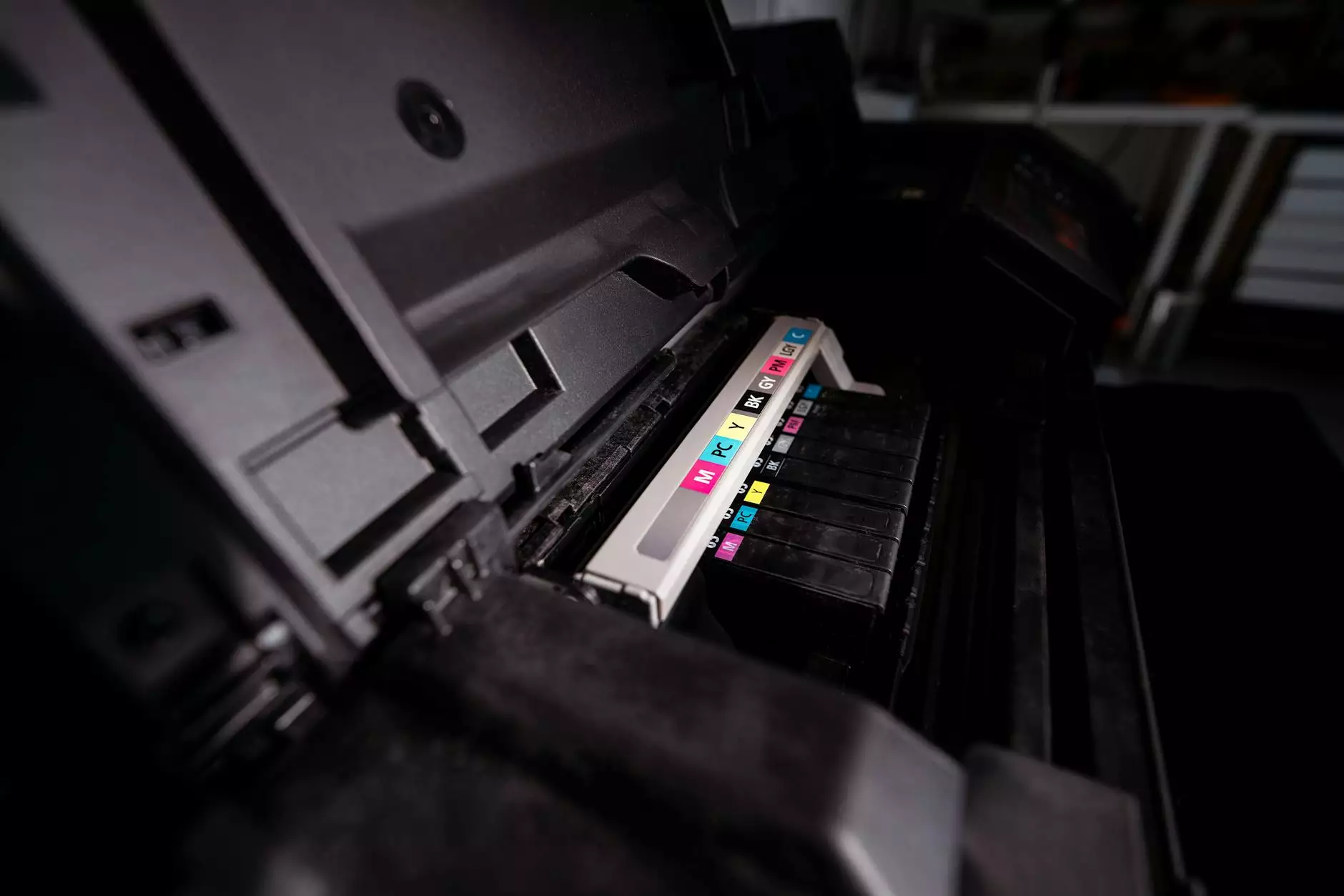
In today’s fast-paced business environment, the need for efficient, high-quality printing services has never been more critical. One of the most significant advancements that have revolutionized the industry is inkjet technology. This article delves into the details of inkjet inkjet technology, examining its evolution, core functions, and the myriad benefits it brings to businesses, particularly in the realm of printing services.
Understanding Inkjet Technology
Inkjet technology has transformed the printing landscape since its inception. At its core, inkjet printing is a process wherein liquid ink is sprayed onto paper or other media to create images and text. The technology uses thermal or piezoelectric methods to control ink droplet formation, allowing for precise applications and high-quality outputs.
Historical Context
The journey of inkjet technology began in the 1950s, evolving significantly throughout the years. The initial designs were rudimentary and lacked the efficiency and quality markers we recognize today. Companies like Canon, Epson, and HP led the way in refining this technology, making it accessible to both home users and large organizations.
Types of Inkjet Printers
Understanding the various types of inkjet printers is essential for businesses looking to leverage this technology effectively. Here are the primary types:
- Thermal Inkjet Printers: These printers heat ink to create vapor bubbles that force ink out of nozzles onto the paper.
- Piezoelectric Inkjet Printers: Incorporating piezoelectric crystals, these printers change shape when an electric current is applied, pushing ink through the nozzles without heating it.
- Continuous Inkjet Printers: Designed for high-volume printing, they eject a steady stream of ink, allowing for more efficient printing processes.
- Drop-on-Demand Inkjet Printers: These printers release ink only when needed, conserving ink and enhancing print quality.
Key Advantages of Inkjet Printing
The myriad advantages of using inkjet technology make it an attractive choice for businesses seeking efficient printing solutions. Here are the core benefits:
High-Quality Output
One of the standout features of inkjet printers is their ability to produce vibrant, high-resolution images. With advanced ink formulations and precision droplet placement, businesses can expect photos and documents that are visually striking and of professional quality.
Cost-Effectiveness
Inkjet printing tends to have lower startup costs compared to other printing technologies. Inkjet printers are generally more affordable, and the cost of ink cartridges can be justified by the high-quality prints produced. Additionally, the option for bulk ink purchases can further reduce operational costs.
Versatility in Media
Inkjet technology is exceptionally versatile, capable of printing on various media types beyond standard paper, including cardstock, vinyl, and fabric. This versatility makes inkjet printers an excellent solution for businesses that require diverse printing solutions like marketing materials, packaging, and promotional items.
Speed and Efficiency
While traditional printing methods may require extensive setup times and processes, inkjet printers can produce prints quickly and efficiently. This speed is particularly beneficial for businesses that operate under tight deadlines or require on-demand printing services.
Eco-Friendly Options
Many manufacturers are now producing eco-friendly inkjet inks that are less harmful to the environment. This development means businesses can adopt sustainable printing practices without sacrificing quality or efficiency.
Implementation of Inkjet Technology in Business
Integrating inkjet technology into a business can lead to significant improvements in output and efficiency. Below are several strategies for implementing this technology effectively:
1. Assessing Printing Needs
Before making any investments, businesses must assess their specific printing needs. Understanding the volume of prints, types of materials, and desired quality will help in selecting the right inkjet printer that suits their requirements.
2. Choosing the Right Equipment
Once needs are assessed, the next step is selecting the appropriate inkjet printer. Factors such as printing speed, volume capacity, and compatibility with media types should be prioritized to ensure the selected printer enhances productivity.
3. Training Staff
Effective utilization of inkjet technology also involves training staff on the new equipment. Providing proper training ensures that employees can operate the printers efficiently and troubleshoot common issues, improving overall productivity.
4. Regular Maintenance
Maintenance is key to the longevity and performance of inkjet printers. Regular cleaning and checks will prevent clogging and ensure high output quality. Establishing a maintenance schedule can safeguard investment and reduce downtime.
Future Trends in Inkjet Technology
The future of inkjet technology holds exciting possibilities. With ongoing research and development, several trends are emerging that may shape the evolution of printing services in the coming years:
Increased Automation
The trend towards automation within business operations extends to the printing sector. Future inkjet printers may incorporate more automated features to streamline workflows, enhancing productivity and reducing human error.
Smart Printing Solutions
The integration of smart technology into the printing landscape is another trend gaining traction. Printers equipped with AI can monitor usage patterns, optimize ink usage, and suggest maintenance schedules, making it easier for businesses to maintain efficiency.
Advanced Inks and Printing Techniques
Research into new types of inks, such as biodegradable inks and specialty inks for high-end applications, will expand the capabilities of inkjet technology. Enhanced printing techniques may also provide better adhesion and longevity of prints.
Conclusion
In summary, the impact of inkjet technology on the printing services industry cannot be overstated. With its high-quality output, cost-effectiveness, and versatility, inkjet printing has become a cornerstone of modern printing strategies. As businesses navigate an increasingly digital landscape, the role of printing remains essential, and advancements in inkjet technology will undoubtedly shape its future. Companies that invest in this technology will not only maintain their competitive edge but also enhance their operational efficiencies, paving the way for success.
For more insights on how to implement inkjet solutions for your business, visit bostonindustrialsolutions.com.