Understanding the T3 T4 Vertebrae: Insights for Health and Business
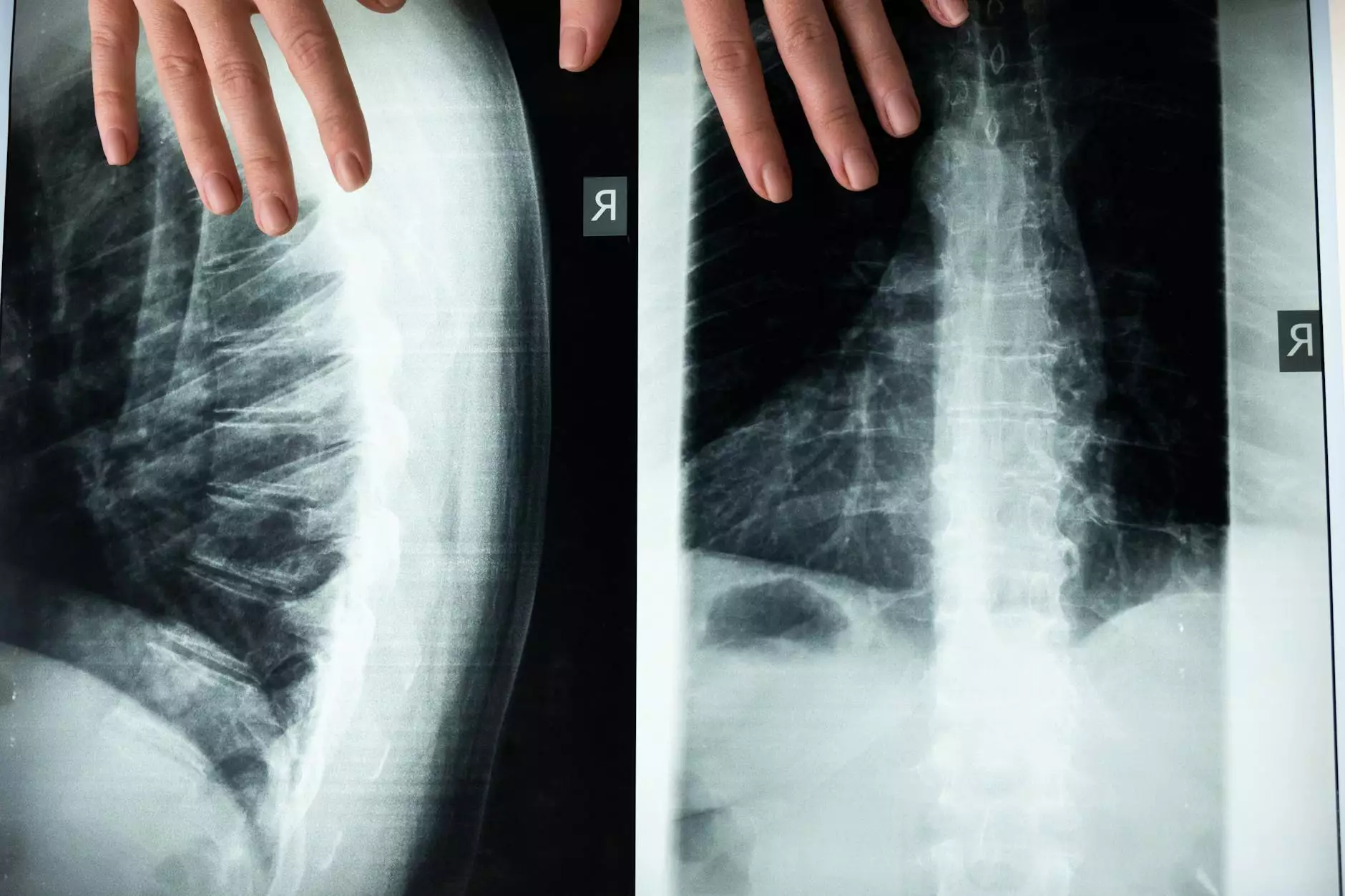
The human spine is a marvel of engineering, essential for structural stability and protection of the nervous system. Among its illustrious components are the T3 and T4 vertebrae, located in the thoracic region of the spine. This article delves deep into the anatomy, functions, and significance of the T3 and T4 vertebrae, as well as their relevance in the fields of health and chiropractic practices. By providing a comprehensive overview, we aim to enrich your understanding and underscore the importance of these vertebrae in daily well-being and business practice.
1. Anatomy of the Thoracic Spine
The thoracic spine consists of 12 vertebrae, labeled T1 through T12. The T3 and T4 vertebrae are located in the middle of this group.
- T3 Vertebra: The third thoracic vertebra, located just below T2 and above T4.
- T4 Vertebra: The fourth thoracic vertebra is significant for its articulation with the ribs.
1.1 Structural Characteristics
Both T3 and T4 share common structural characteristics with the other thoracic vertebrae:
- They have a body, which is a block-like structure that bears weight.
- A vertebral arch that protects the spinal cord.
- Transverse processes that provide attachment points for muscles and ligaments.
- Spinous processes that can be palpated along the back.
2. Function of T3 and T4 Vertebrae
The T3 and T4 vertebrae play several critical roles:
- Support and Stability: They help maintain the posture of the upper body.
- Protection: These vertebrae protect the spinal cord, which runs through the vertebral foramen.
- Articulation with Ribs: T4, particularly, articulates with the rib cage, aiding in the respiratory functions.
2.1 Influence on the Nervous System
The thoracic spine has a significant role in providing protection and pathways for spinal nerves. The nerves emanating from T3 and T4 specifically influence several bodily functions:
- Sensory Input: They contribute to sensations in the upper body.
- Motor Control: They help in the control of muscles in the back and chest.
- Autonomic Functions: They may influence the autonomic nervous system, impacting heart rate and digestion.
3. Health Implications of T3 and T4 Vertebrae
Understanding the health implications of the T3 and T4 vertebrae is crucial not only for chiropractors but also for individuals concerned with their well-being. Misalignment or damage to these vertebrae can lead to a multitude of health issues:
3.1 Common Problems Associated with T3 and T4
A variety of conditions can affect these vertebrae, including:
- Herniated Discs: Pressure on the spinal nerves can lead to pain and discomfort.
- Spinal Stenosis: Narrowing of the spinal canal can lead to neurological symptoms.
- Osteoarthritis: Degenerative changes can lead to stiffness and pain.
3.2 Symptoms of T3 and T4 Issues
Problems in this thoracic area can manifest in various ways:
- Chronic Back Pain: Persistent pain in the upper or middle back.
- Numbness or Tingling: Sensation disturbances in the arms or upper body.
- Decreased Range of Motion: Difficulty in performing daily activities.
4. Chiropractic Care and the T3 T4 Vertebrae
Chiropractors play a pivotal role in addressing issues related to the T3 and T4 vertebrae. They utilize a variety of diagnostic tools and treatment options to ensure spinal health.
4.1 Chiropractic Techniques
Common chiropractic adjustments that target the thoracic spine include:
- Spinal Manipulation: This technique involves controlled force applied to spine joints to restore movement.
- Soft Tissue Therapy: Engaging muscles and connective tissue around the thoracic spine to relieve tension.
- Rehabilitation Exercises: Tailored exercises that enhance flexibility and strengthen back muscles.
4.2 Education and Awareness
It's imperative for both patients and practitioners to be aware of the function and significance of the T3 and T4 vertebrae. Chiropractors often educate patients on:
- Proper Posture: Reinforcing the importance of alignment to prevent future issues.
- Injury Prevention: Strategies to avoid back injuries in daily life.
- Lifestyle Choices: Impact of physical activity, diet, and ergonomics on spinal health.
5. The Business Aspect of Chiropractic Practices
As an integral part of health and medical services, chiropractic practices must effectively market themselves to reach potential patients. For a business like iaom-us.com, understanding the health benefits of the T3 and T4 vertebrae can enhance patient trust and drive engagement.
5.1 Marketing Strategies
Here are some strategic approaches for chiropractic businesses to consider:
- Content Marketing: Regularly publishing articles about spinal health, particularly related to T3 and T4 vertebrae, can establish authority.
- Social Media Engagement: Share informative content and patient testimonials to create a community and deepen connections.
- SEO Optimization: Use keywords effectively, including “T3 T4 vertebrae,” throughout website content to rank higher in search engines.
5.2 Building Relationships with Patients
Establishing strong relationships with patients is vital. Chiropractors should focus on:
- Personalized Care Plans: Tailoring treatment plans based on each patient's unique needs.
- Continuous Education: Providing resources and information to educate patients about their spinal health.
- Follow-up Care: Ensuring patients have access to support even after their treatment concludes.
Conclusion
The T3 and T4 vertebrae are not just structural components of the spine; they are critical to the overall health and stability of the human body. Understanding their anatomy, function, and the health implications associated with them empowers both practitioners and patients alike. In the sphere of chiropractic practice, a robust knowledge of these vertebrae can foster better patient care and informed business strategies. As businesses like iaom-us.com continue to navigate the health and wellness landscape, emphasizing education and quality care will elevate their impact in the communities they serve.