Understanding the Role of a Thoracic Surgeon: Importance and Insights
Introduction to Thoracic Surgery
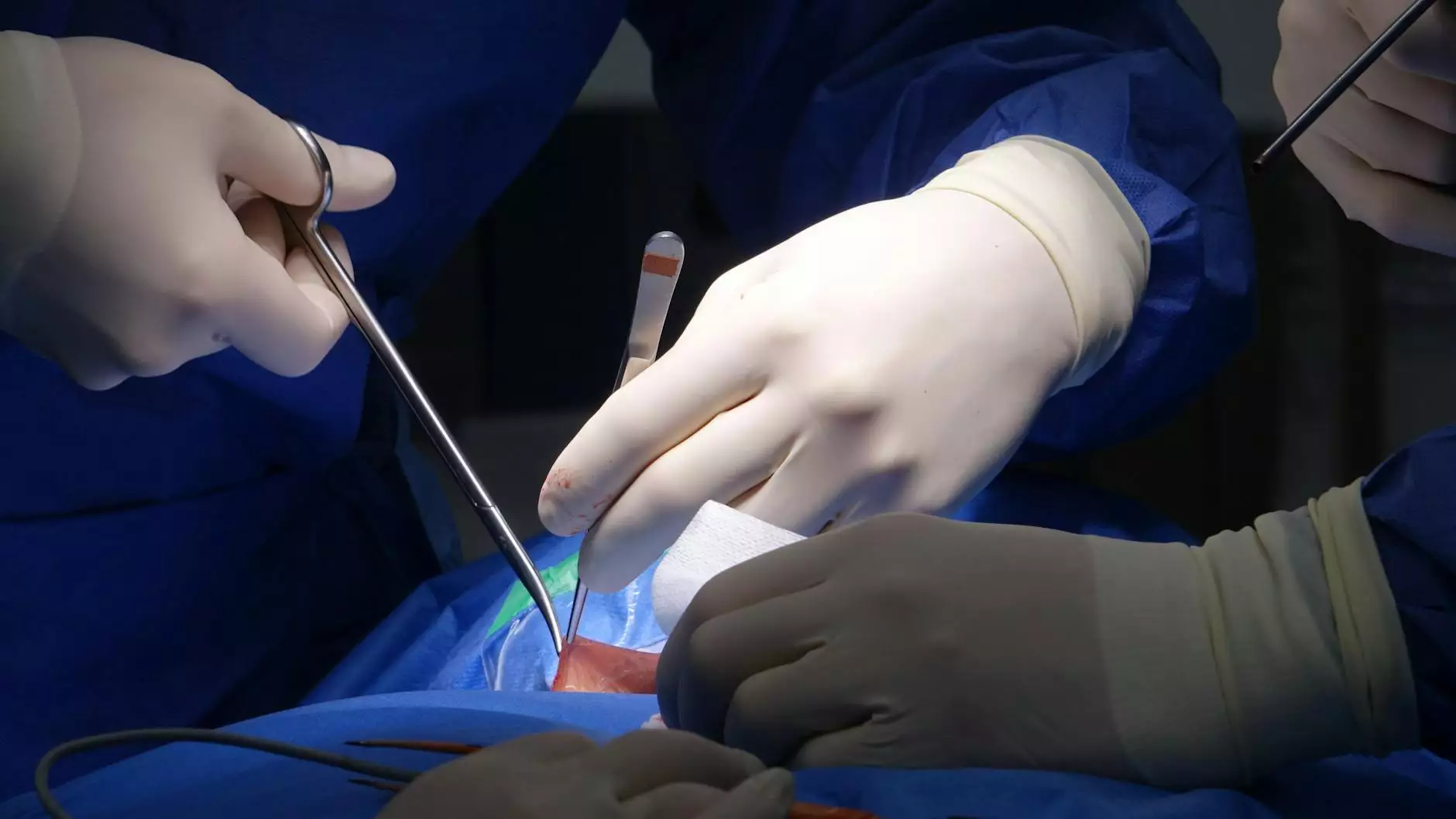
The field of thoracic surgery is a specialized area of medicine that focuses on the organs within the chest. When looking at the significance of a thoracic surgeon, it is essential to highlight their critical contribution to the overall healthcare system. These medical professionals are trained to operate on the heart, lungs, esophagus, and other vital chest structures, addressing various life-threatening conditions.
The Importance of Thoracic Surgeons in Healthcare
Thoracic surgeons play a pivotal role in treating a range of conditions that affect the thoracic cavity. Their expertise is essential, as they handle complex issues such as:
- Heart Disease: Surgical interventions for coronary artery disease or valve problems.
- Lung Disorders: Treatments for lung cancer, emphysema, and other pulmonary diseases.
- Esophageal Conditions: Managing esophageal cancer and addressing severe reflux issues.
- Injuries to the Chest: Surgery following traumatic chest injuries that may compromise breathing or circulation.
Training and Qualifications of a Thoracic Surgeon
Becoming a thoracic surgeon requires extensive education and training. The journey typically includes:
- Medical School: Completion of a medical degree (MD or DO).
- Surgical Residency: A minimum 5-year general surgery residency training.
- Fellowship: A 2-3 year specialized fellowship in thoracic surgery.
- Board Certification: Achieving board certification in general surgery followed by a focus in thoracic surgery.
This rigorous training prepares thoracic surgeons to handle complex operations with the utmost precision and care, ensuring optimal patient outcomes.
Common Procedures Performed by Thoracic Surgeons
The range of procedures a thoracic surgeon performs is extensive and intricately connected to critical health conditions:
- Video-Assisted Thoracoscopic Surgery (VATS): Minimally invasive surgery for treating lung conditions.
- Open Heart Surgery: Procedures such as bypass surgery or heart valve replacement.
- Thoracotomy: A surgical procedure to access the chest cavity for diagnoses or treatment.
- Lobectomy: Removal of a lobe of the lung, often in cases of cancer.
- Esophagectomy: Surgical removal of part or all of the esophagus.
Each of these procedures requires a detailed understanding of human anatomy and surgical techniques that can impact the patient’s quality of life significantly.
The Intersection of Sports Medicine and Thoracic Surgery
In the realm of sports medicine, thoracic surgeons collaborate closely with physical therapists, physicians, and sports trainers. Acute injuries, such as those from high-impact sports, often require surgical intervention, particularly when lung or thoracic structures are compromised.
Athletes may suffer from conditions such as:
- Pneumothorax (collapsed lung)
- Cardiac contusions
- Chest wall fractures
- Esophageal tears due to blunt force trauma
Addressing these issues promptly often necessitates the skill of a thoracic surgeon, ensuring athletes can return to their sports with confidence.
Physical Therapy After Thoracic Surgery
Post-operative recovery is crucial in thoracic surgery, and that's where the role of physical therapy becomes paramount. A comprehensive rehabilitation program can aid in:
- Restoring Lung Function: Breathing exercises to enhance pulmonary function.
- Improving Mobility: Gradual increase of physical activity to restore pre-surgery levels of fitness.
- Pain Management: Techniques to manage pain and discomfort after surgery.
- Strengthening: Concentrating on upper body strength to support overall recovery.
Collaboration between thoracic surgeons and physiotherapists leads to a holistic approach to patient care, enhancing recovery outcomes significantly.
The Future of Thoracic Surgery
Advances in technology and surgical techniques are ushering in a new era for thoracic surgery. Innovations such as robotic-assisted surgery and enhanced imaging techniques are paving the way for less invasive procedures with quicker recovery times.
As the understanding of thoracic diseases expands, thoracic surgeons will continue to play a vital role in:
- Research: Contributing to clinical studies that refine surgical techniques and improve patient outcomes.
- Education: Training the next generation of surgeons using cutting-edge simulation technologies.
- Patient Advocacy: Ensuring that patients have access to the latest treatments and surgical options.
Conclusion
In conclusion, the role of a thoracic surgeon is integral to the health and well-being of patients with thoracic conditions. These dedicated professionals enhance the quality of care through their specialized training and innovative surgical practices. As healthcare continues to evolve, the expertise of thoracic surgeons will remain crucial, providing hope and healing to countless individuals. It is essential for the community to recognize their contributions within the wider scope of health, sports medicine, and physical therapy.
Contacting a Thoracic Surgeon
If you or a loved one is facing a thoracic health issue, it is vital to seek the advice of a qualified thoracic surgeon. Facilities such as HelloPhysio provide excellent resources and connections to experienced surgeons who can guide you through your healthcare journey.