Premium Firewood: The Ultimate Guide to Quality and Sustainability
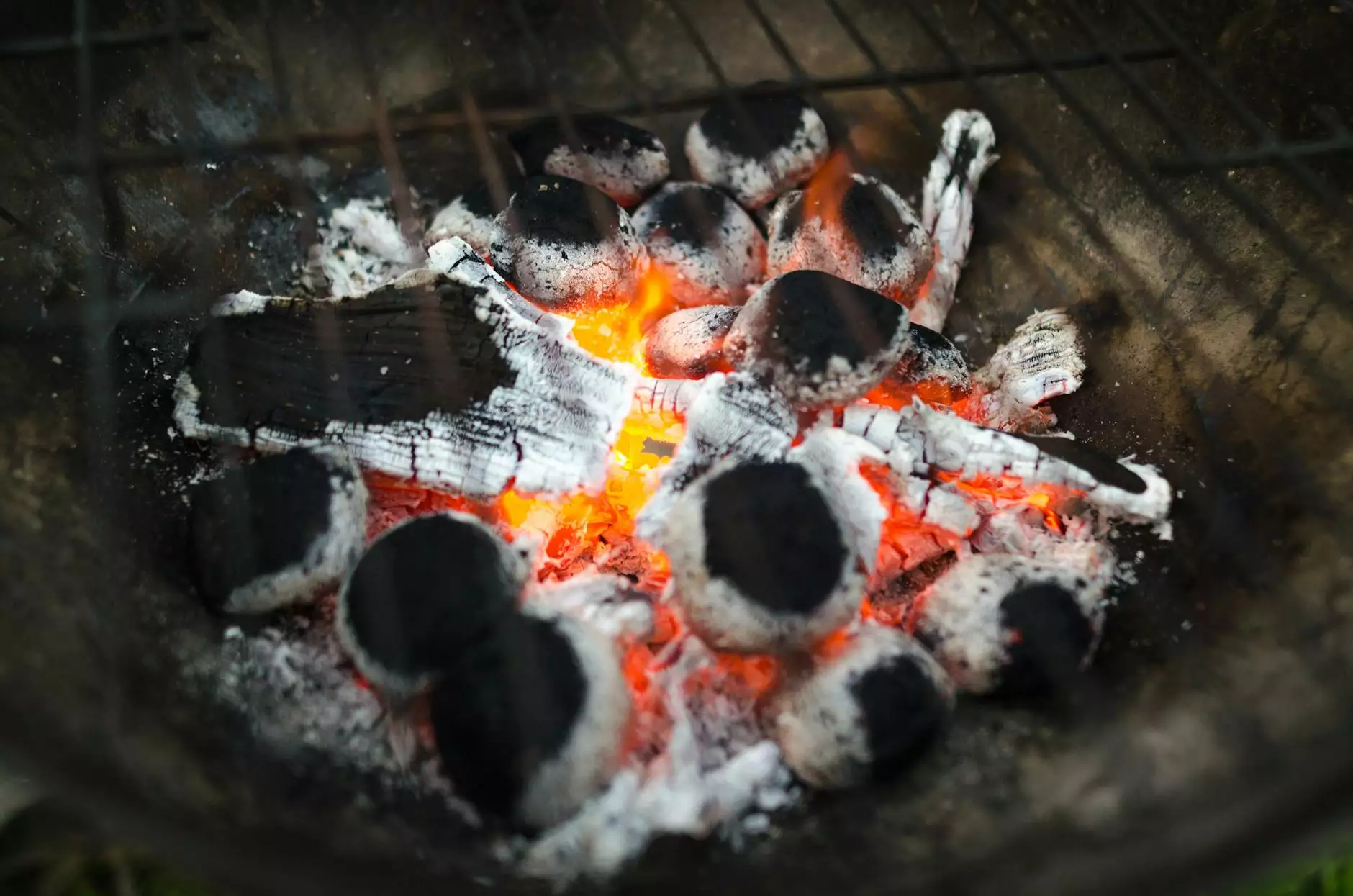
Firewood is not just about warmth; it's about creating unforgettable memories, embracing the great outdoors, and enjoying the serenity of a crackling fire. Whether you're preparing for a cozy evening at home or planning a camping trip, understanding the ins and outs of firewood is essential. In this comprehensive guide, we will delve into the nuances of firewood quality, types, sourcing practices, and more, ensuring you make the best choices for your needs.
Understanding Firewood: More Than Just Logs
Firewood is a staple for many households, bringing warmth and comfort during colder months and serving as the centerpiece for social gatherings. However, not all firewood is created equal. The quality of firewood can significantly affect its burning efficiency, smoke output, and ash production.
The Science Behind Firewood Burning
When selecting firewood, it’s crucial to grasp the science of how wood burns. Here are some major factors that influence firewood performance:
- Moisture Content: Firewood should ideally have a moisture content of less than 20%. This ensures that it burns efficiently, producing maximum heat with minimal smoke.
- Wood Density: Hardwoods such as oak and hickory produce more heat and burn longer compared to softwoods like pine and fir.
- Aging or Seasoning: Properly seasoned wood is crucial. This process usually takes 6 to 12 months, during which the wood dries out, making it easier to ignite and burn more efficiently.
Types of Firewood: Hardwoods vs. Softwoods
Choosing between hardwoods and softwoods is a fundamental decision for any firewood user. Here’s a breakdown:
Hardwoods
- Oak: Known for its density, oak produces long-lasting heat and is perfect for both indoor and outdoor burning.
- Hickory: This wood type is incredibly dense and provides a high heat output, making it a favorite for grilling.
- Maple: Offers a moderate burn with a pleasant smell, making it a great choice for cozy homes.
Softwoods
- Pine: Burns quickly and provides a lot of flames, making it great for kindling; however, it can produce more creosote.
- Spruce: Another good kindling choice, though it burns faster than other woods.
- Cedar: This wood type offers a great aroma but is best used in combination with harder woods.
How to Choose the Best Firewood for Your Needs
When navigating the vast world of firewood, making informed decisions can significantly enhance your experience. Here's how to choose wisely:
1. Consider Your Burning Purpose
Are you using firewood for heating, cooking, or ambiance? Each purpose may require different types of wood:
- Heating: Opt for high-density hardwoods that provide long-lasting heat.
- Cooking: Choose woods like hickory or maple for grilling and smoking.
- Ambiance: Use a mix of hardwoods and softwoods for a beautiful display of flames.
2. Sourcing Your Firewood Responsibly
Choosing to source firewood from reputable suppliers ensures that you are not only getting quality wood but also supporting sustainable practices. Here are some tips:
- Local Suppliers: Look for local sources to reduce your carbon footprint.
- Sustainable Practices: Ensure the supplier practices sustainable harvesting methods. This contributes to forest conservation.
- Quality Assurance: Opt for suppliers that guarantee a minimum moisture content and proper seasoning.
Storage and Maintenance of Firewood
Proper storage and maintenance of firewood are essential to maintaining its quality. Here’s how to ensure your firewood stays in top condition:
1. Proper Stacking Techniques
Stack your firewood off the ground to prevent moisture absorption. Use a dry, sheltered location, and stack the wood in a way that allows air circulation:
- Use a wood rack to keep the wood elevated.
- Stack the wood in a crisscross pattern for better air flow.
2. Protecting from the Elements
Cover your stacked firewood with a tarp or wood cover, leaving the sides exposed for air circulation. This protects it from rain and snow, preventing unwanted moisture.
Enhancing Your Firewood Experience
Beyond just burning firewood, there are many ways to enhance the overall experience. Here are a few suggestions:
1. Creating the Perfect Fire Pit
Investing in a proper fire pit can greatly improve your outdoor gatherings. Here’s how to set up a great fire pit:
- Choose a safe location, away from overhanging branches and structures.
- Use fire-resistant materials to construct your fire pit.
- Have seating arranged around the fire to encourage social interaction.
2. Safety Precautions
Safety should always be a priority when burning firewood. Remember the following:
- Keep a fire extinguisher or a bucket of water nearby.
- Ensure your fire is completely extinguished when finished.
- Use a screen to prevent embers from escaping the fire pit.
Exploring the Benefits of Firewood
Firewood carries several benefits that extend beyond mere warmth. Here are some of the advantages you can enjoy:
1. Cost-Effective Heating
Using firewood as a primary or supplementary heating source can significantly reduce your heating bills, especially during the winter months.
2. Environmental Impact
When sourced sustainably, firewood is a renewable energy source that can help reduce reliance on fossil fuels. Choosing local suppliers minimizes transportation emissions, enhancing its sustainability profile.
3. Recreational Enjoyment
Gathering around a fire creates an atmosphere conducive to bonding and relaxation. Whether it’s a family camping trip or a backyard gathering, firewood serves as the centerpiece of social enjoyment.
Conclusion: Elevate Your Firewood Experience
Understanding the essentials of firewood can dramatically enhance your experience, whether you use it for heating, cooking, or creating ambiance. By choosing high-quality wood, storing it correctly, and practicing safety, you can enjoy the many benefits firewood has to offer. For more information on premium firewood and sustainable sourcing, visit wood-trans.com and explore the rich options available to you. Make every fire a memorable one!
https://wood-trans.com/