Unlocking Women's Health with Hysteroscopy: A Comprehensive Perspective
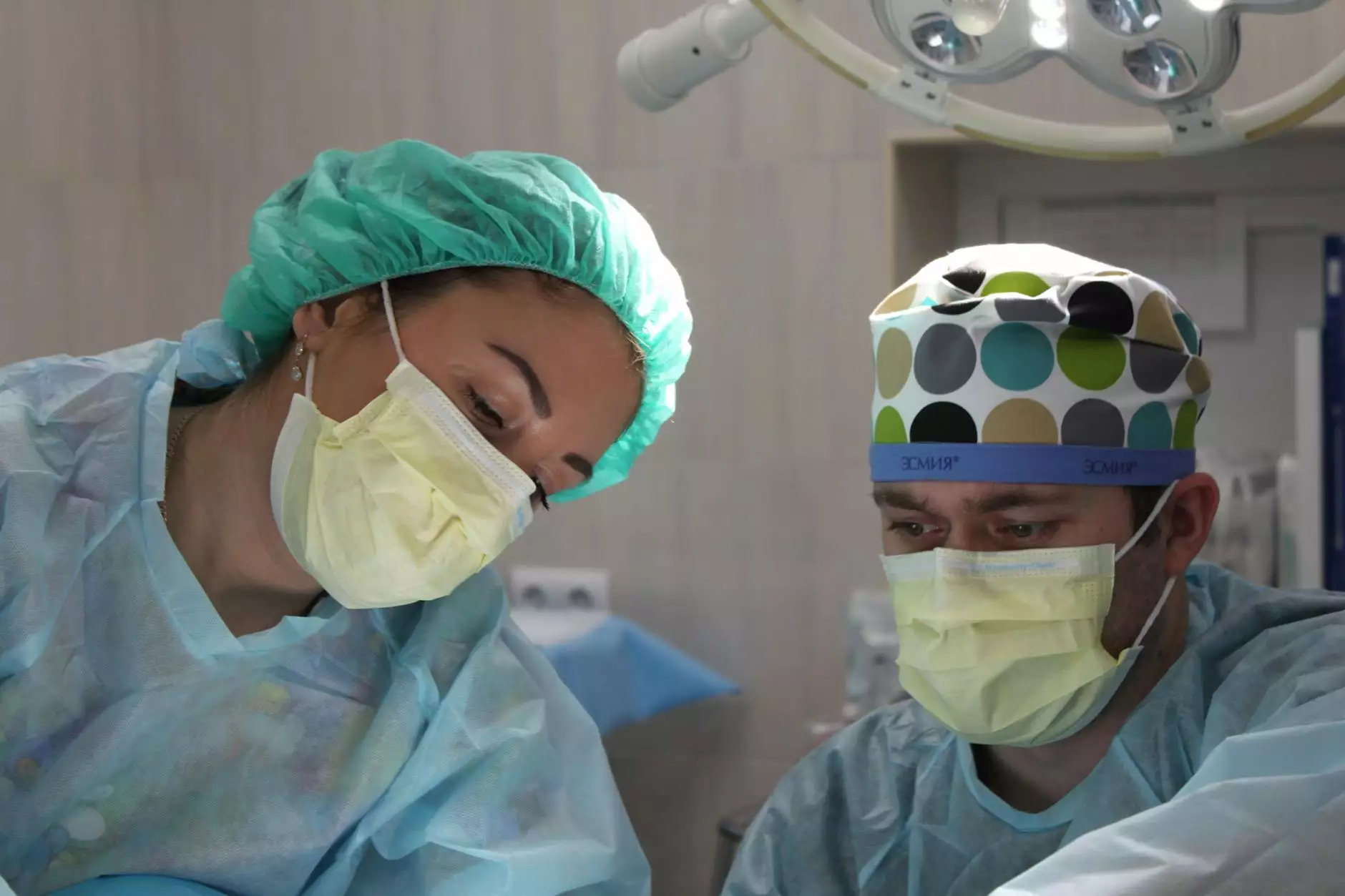
In the realm of contemporary gynecology and obstetrics, hysteroscopy stands out as a pinnacle of minimally invasive diagnostics and treatments. This revolutionary procedure has transformed how healthcare professionals approach a range of uterine conditions, offering women safer, more precise, and less uncomfortable options compared to traditional surgical methods.
What is Hysteroscopy? A Modern Approach to Uterine Health
Absolutely pivotal in modern gynecological practice, hysteroscopy is a specialized diagnostic and therapeutic procedure that involves the insertion of a thin, telescope-like device called a hysteroscope into the uterine cavity. This sophisticated instrument allows doctors to visualize, diagnose, and treat various conditions within the uterus with remarkable clarity and precision.
Unlike traditional methods that often required extensive surgeries with longer recovery times, hysteroscopy offers a minimally invasive alternative with numerous advantages. It is performed both in outpatient settings and operating rooms, depending on the complexity of the case, making it accessible and convenient for countless women seeking reliable uterine health assessments.
Understanding the Significance of Hysteroscopy in Women's Healthcare
Over the years, hysteroscopy has emerged as an essential tool in diagnosing and treating women’s reproductive health issues. Its ability to provide high-resolution, direct visualization of the uterine cavity has led to more accurate diagnoses, targeted treatments, and ultimately, improved outcomes for women worldwide.
Key Medical Conditions Addressed by Hysteroscopy
- Uterine polyps and fibroids
- Endometrial hyperplasia
- Asherman’s syndrome or intrauterine adhesions
- Abnormal uterine bleeding
- Congenital uterine anomalies, such as septa or T-shaped uterus
- Recurrent pregnancy loss and infertility assessments
- Removal of intrauterine foreign bodies or retained products post-miscarriage
Benefits of Hysteroscopy: Why It Is a Game-Changer
Incorporating hysteroscopy into women's healthcare has provided myriad benefits that enhance both diagnosis and treatment. Among these, the most significant advantages include:
- Minimally invasive: No large incisions are required, reducing trauma and pain.
- High accuracy: Direct visualization allows for precise identification of abnormalities.
- Outpatient procedure: Many hysteroscopies are performed without requiring hospital admission.
- Reduced recovery time: Patients often return to normal activities within a day or two.
- Diagnostic and therapeutic in one session: Conditions can be identified and treated simultaneously.
- Lower complication rates: With advanced technology, risks like infection or bleeding are minimal.
The Procedure: What to Expect During a Hysteroscopy
Hysteroscopy procedures generally follow a systematic approach designed to ensure patient comfort and procedural success. Here is a comprehensive overview:
Preparation Prior to Hysteroscopy
Patients are advised to undergo a thorough consultation with their gynecologist, during which medical history, symptoms, and prior imaging results are reviewed. In some cases, medications such as antibiotics or pain relievers may be prescribed ahead of the procedure. An empty bladder is recommended for optimal visualization, and procedures are usually scheduled during specific times in the menstrual cycle to minimize discomfort and maximize accuracy.
Performing the Hysteroscopy
On the day of the procedure:
- Patients are placed in comfortable lithotomy position.
- An anaesthetic or sedative may be administered depending on the complexity and patient comfort preferences.
- The cervix is gently dilated if necessary.
- The hysteroscope is inserted through the vagina and cervix into the uterine cavity.
- Gas (usually carbon dioxide) or sterile fluid is used to expand the uterine cavity, allowing clear view and space for therapeutic maneuvers.
- The clinician examines the uterine walls, identifying any abnormalities and performing biopsies or removal procedures as needed.
Post-Procedure Care and Follow-Up
Following hysteroscopy, patients may experience mild cramping, light bleeding, or discharge. These symptoms typically resolve within a few days. It’s important to follow care instructions, such as avoiding unprotected sex, tampons, or strenuous activities for a specified period. A follow-up appointment may be scheduled to discuss biopsy results or further treatment plans.
Risks and Precautions: Ensuring Safety in Hysteroscopy
While hysteroscopy is generally safe, like all medical procedures, it carries some risks. These include:
- Infection
- Excessive bleeding
- Perforation of the uterine wall
- Fluid overload or embolism from fluid use
- Adverse reaction to anesthesia
To minimize risks, it is crucial to undergo the procedure at an accredited, experienced facility under the supervision of highly skilled obstetricians & gynecologists, such as those at drseckin.com. Preoperative assessments and post-procedure monitoring further enhance patient safety.
Why Choose Expert Obstetricians & Gynecologists for Hysteroscopy?
Given the sensitive nature of uterine health, expertise and experience are paramount. Top-tier clinics, like drseckin.com, offer:
- Advanced diagnostic tools: State-of-the-art hysteroscopic systems with high-definition imaging.
- Experienced specialists: Obstetricians and gynecologists with extensive practice in hysteroscopy and female reproductive health.
- Personalized care: Tailored treatment plans considering each woman’s unique health profile and needs.
- Comprehensive support: Emotional and educational guidance throughout the diagnostic and recovery process.
The Future of Women’s Healthcare: Innovations in Hysteroscopy
The field of hysteroscopy continues to evolve rapidly, integrating cutting-edge technology to improve outcomes and patient comfort. Future innovations include:
- Miniaturization of equipment: Smaller, more flexible hysteroscopes for enhanced access and minimal discomfort.
- Robotic-assisted hysteroscopy: Improving precision and expanding possibilities for complex procedures.
- Enhanced imaging techniques: 3D visualization and virtual reality integration for better diagnostics.
- Intrauterine drug delivery and targeted therapies: Combining diagnostics with novel treatments for inflammatory or neoplastic conditions.
Empowering Women Through Knowledge and Care
As awareness about hysteroscopy grows, women are increasingly empowered to take control of their reproductive health. Knowledgeable discussions with healthcare providers, regular screenings, and understanding the array of available minimally invasive treatments drastically improve quality of life and reproductive success.
Contact Top Specialists for Expert Hysteroscopy Services
For women seeking reliable, safe, and effective *hysteroscopy services*, consulting esteemed clinics like drseckin.com is highly recommended. Their team of experienced obstetricians & gynecologists is dedicated to providing personalized care, innovative procedures, and ongoing support for women at every stage of their reproductive journey.
Conclusion: Hysteroscopy as a Pillar of Modern Gynecology
In summary, hysteroscopy has revolutionized women's healthcare by offering a minimally invasive, accurate, and comprehensive approach to diagnosing and treating uterine conditions. As technology advances and expertise broadens, this procedure will undoubtedly remain at the forefront of gynecological innovation, empowering women to achieve optimal reproductive health and well-being.
Investing in expert care, understanding the procedure thoroughly, and staying informed about emerging technologies will ensure women receive the best possible outcomes. Whether for diagnostic purposes or therapeutic interventions, hysteroscopy stands as a testament to the progress of modern medicine in women's health.